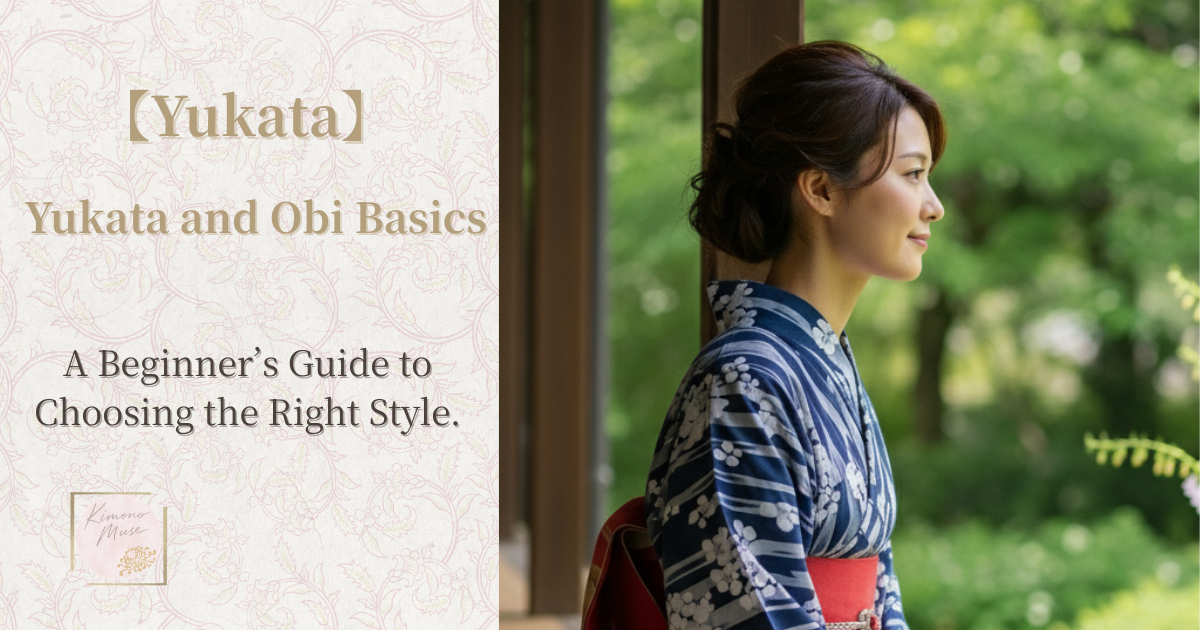
“I’d love to wear a yukata, but there are so many obi types — where do I even start?” If that sounds familiar, you’re not alone.
This guide covers everything a first-timer needs to know: the basics of yukata and obi, how to choose by color, pattern, and fabric, and how to style it all together.
By the end, you’ll be ready to find your perfect summer look.
Yukata vs. kimono — what’s the difference?
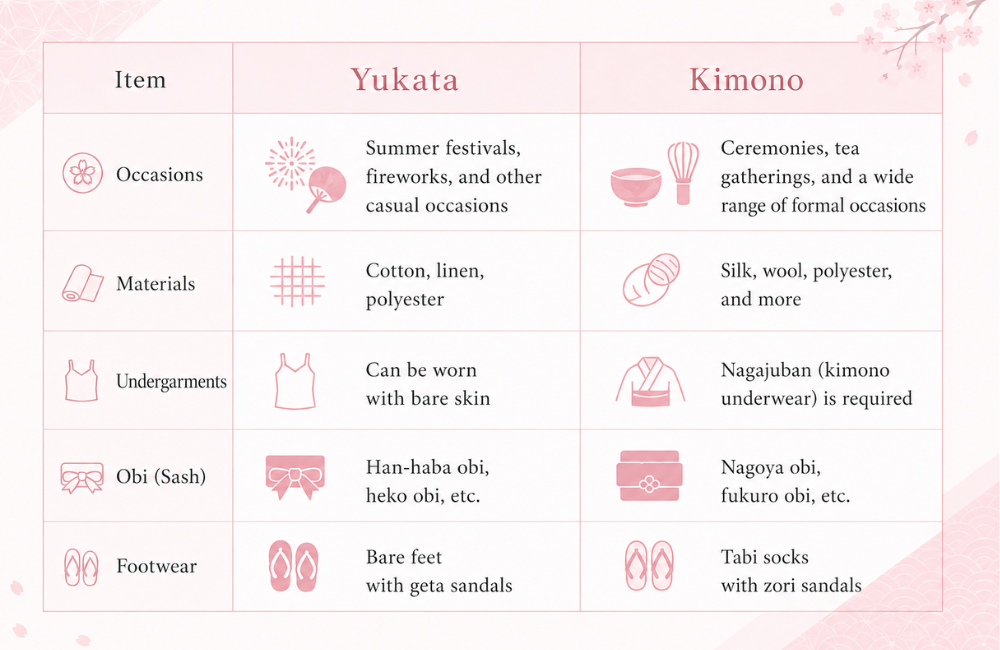
A yukata is technically a type of kimono, but the two are worn in very different ways and settings.
Here’s a quick comparison to help you understand what makes yukata special.
For more details, see our in-depth guide:
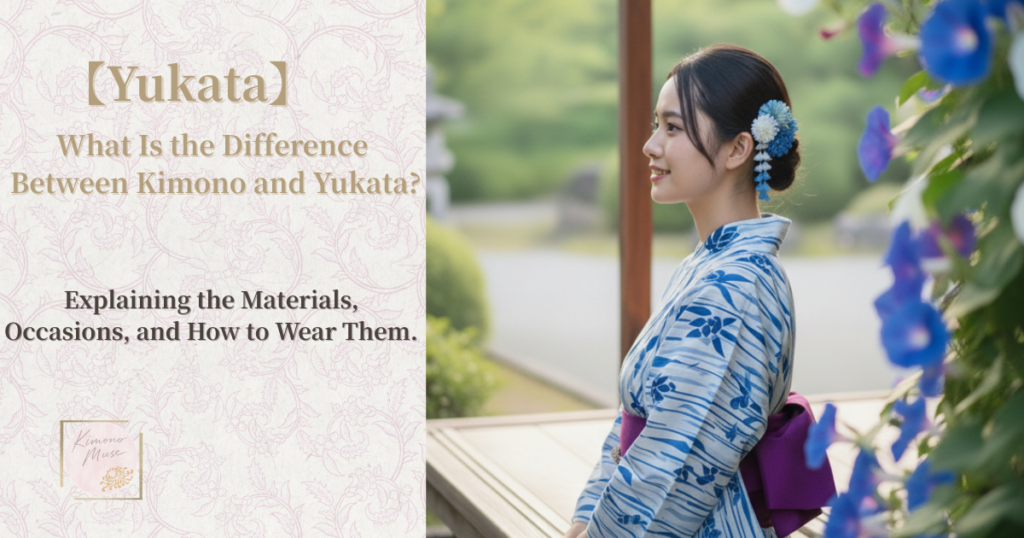
“What’s the Difference Between a Kimono and a Yukata? Materials, Occasions, and How to Wear Them”
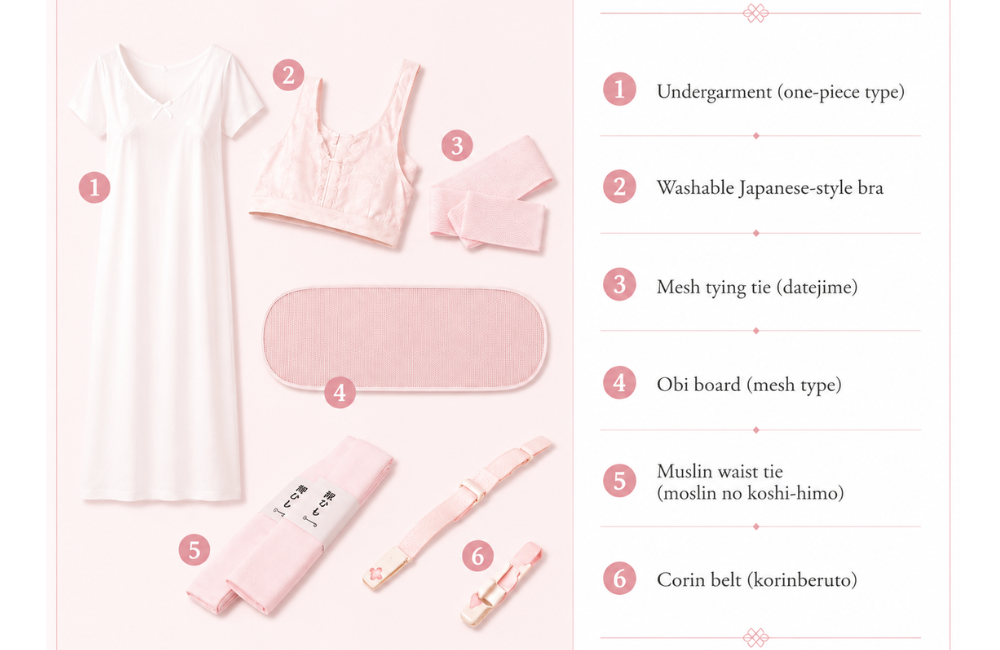
✿Basic Components of a Yukata Outfit
When wearing a yukata, you will need not only the yukata itself, but also accessories and undergarments.
Preparing the following items will help keep your outfit neat and comfortable throughout the day.
How to choose a yukata — color, pattern & fabric
The right combination of color, pattern, and fabric can completely change your look.
Think about the vibe you want to create, and let that guide your choices.
✿Color
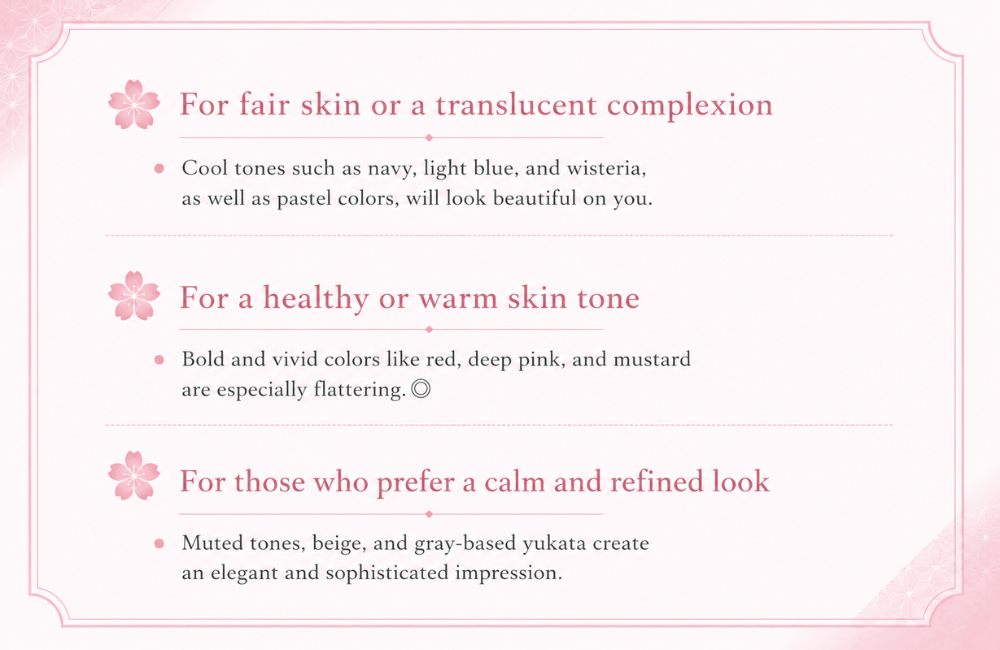
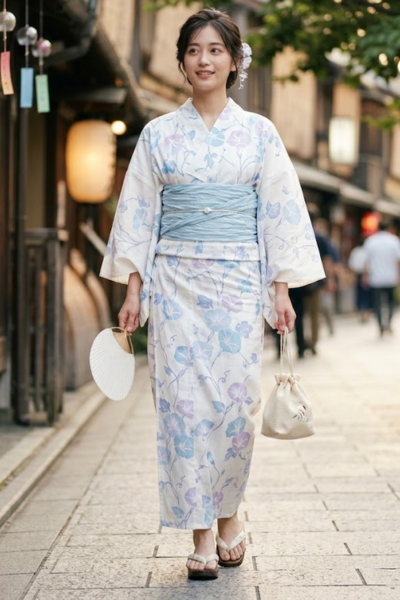
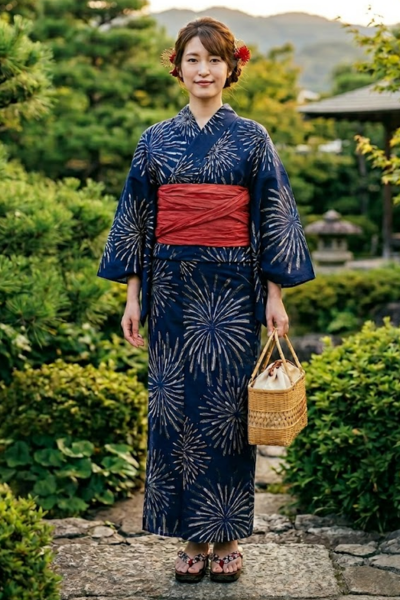
Choose by complexion
- Pastels and white tones brighten the face.
- Navy and indigo create a cool, sophisticated look.
- When in doubt, go with the color you’re most drawn to.
Cool tones → fresh
Warm tones → vibrant
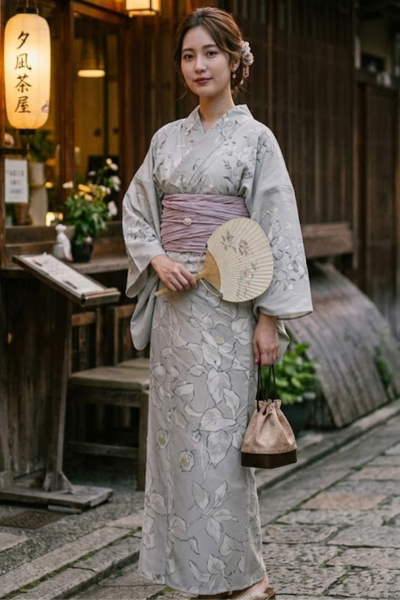
✿Pattern
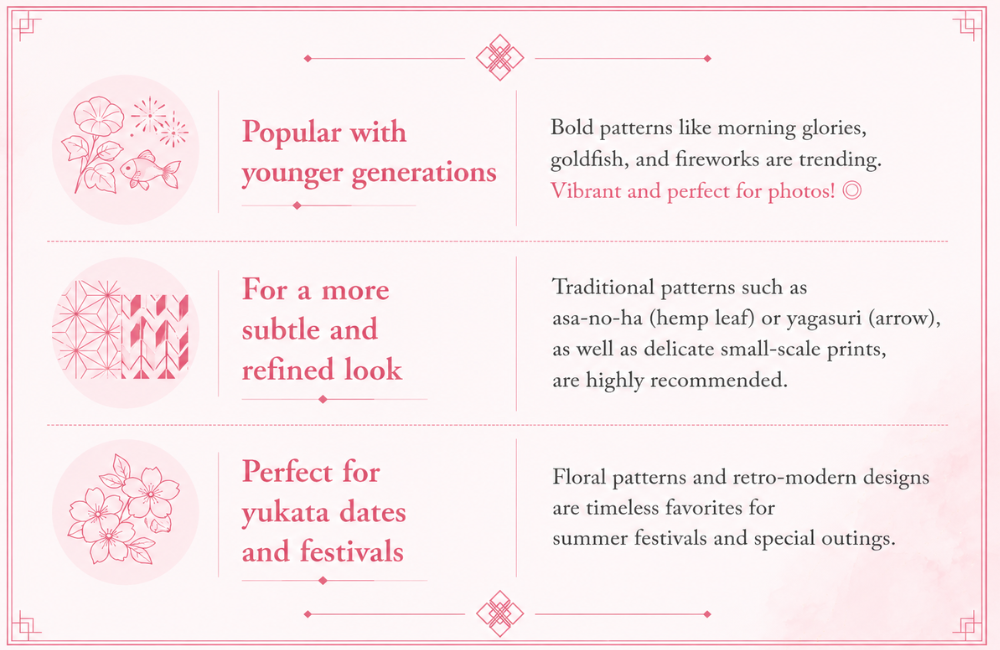
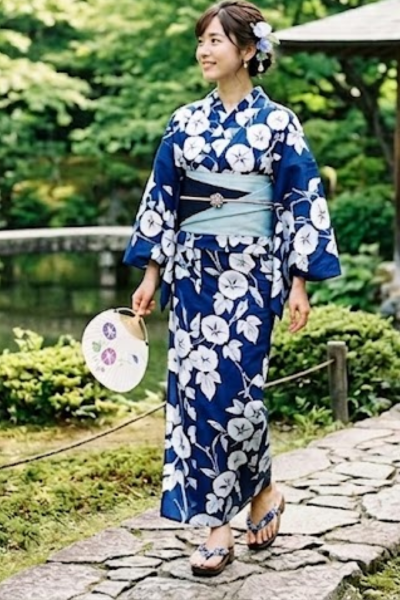
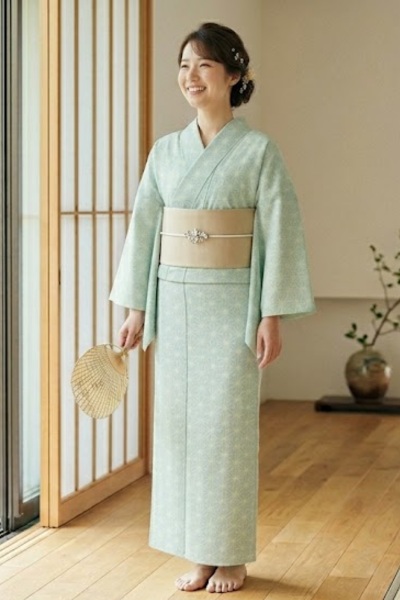
Choose by occasion & build
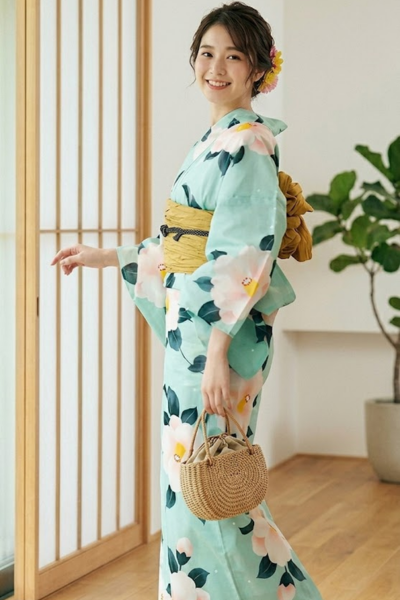
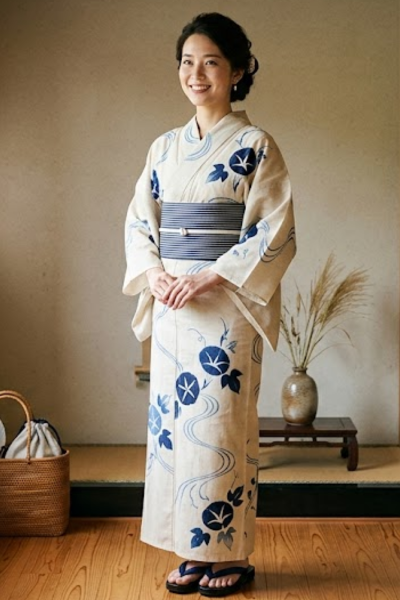
- Morning glory, goldfish, and florals are photogenic classics.
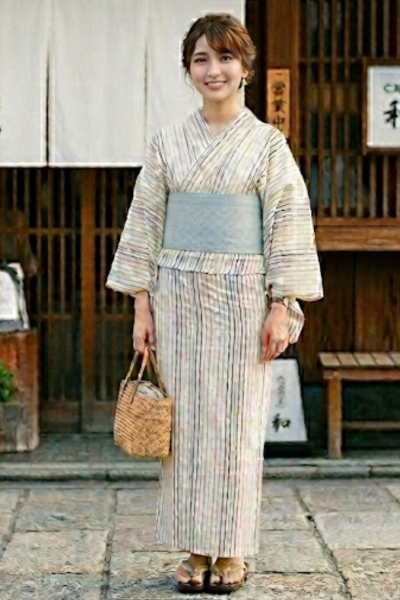
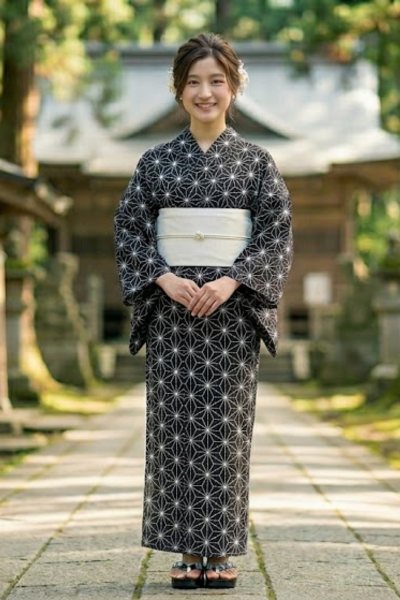
- Traditional geometric patterns like hemp leaf or arrow feather give a refined, understated feel.
Bold print → eye-catching
Fine print → elegant
✿Fabricabric
Choose by comfort
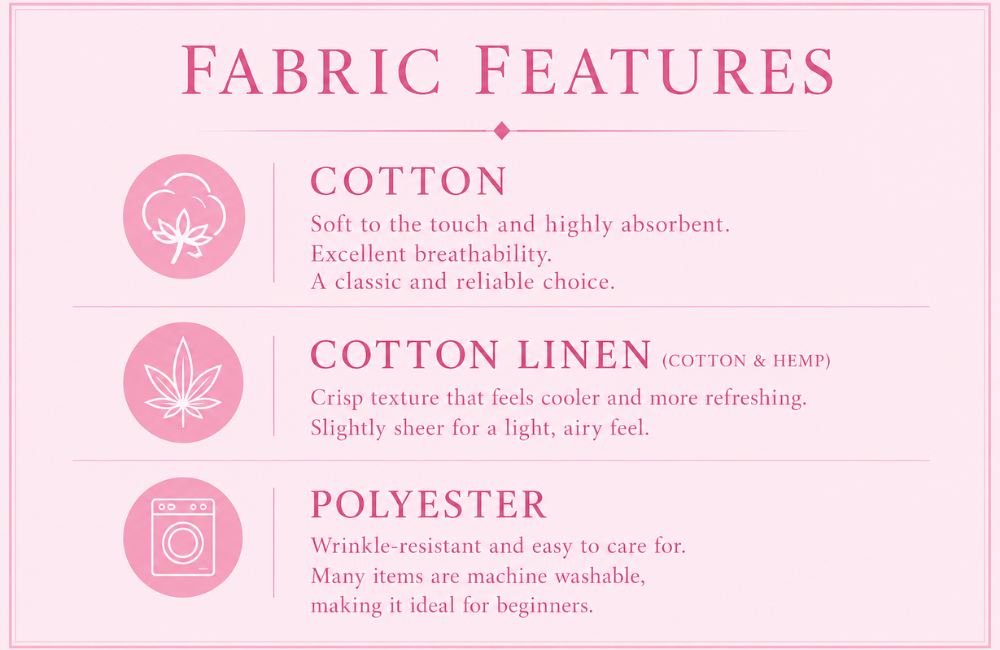
- Cotton is breathable and absorbs sweat — the classic choice.
- Cotton-linen blends feel crisp and cool.
- Polyester resists wrinkles and is easy to care for, great for beginners.
Cotton → breathable
Polyester → easy care
The 3 types of obi — which one is right for you?
When choosing an obi, ease of tying matters just as much as looks.
Here’s a breakdown of the three most common types and who they suit best.
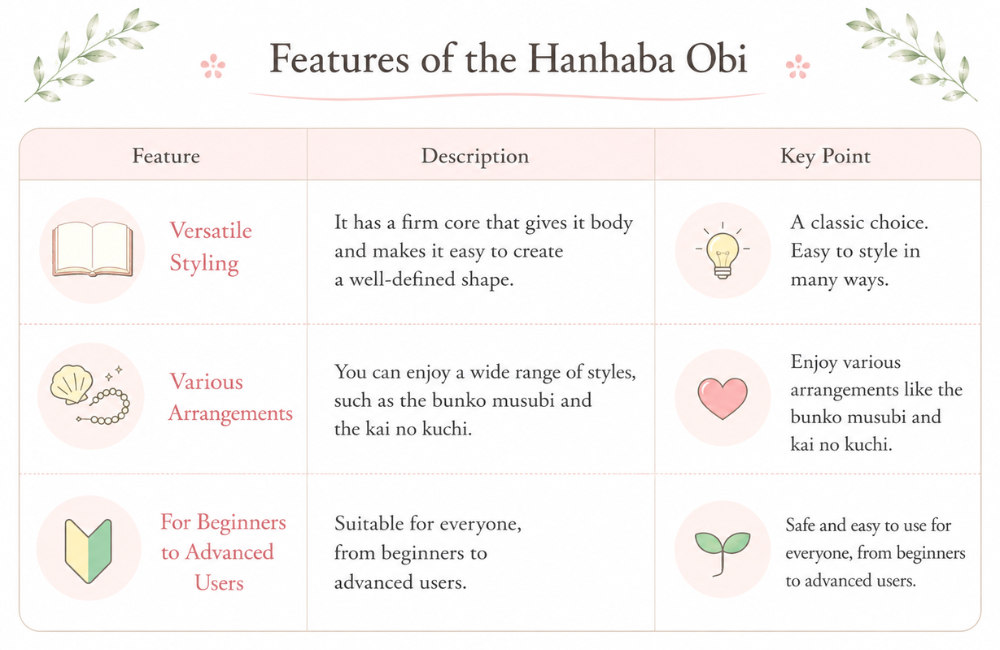
✿Han-haba obi
Classic. Endlessly versatile
- The most popular obi for yukata.
- Its structured inner lining holds its shape well, making it easy to tie in styles like the bunko bow or kai-no-kuchi knot.
- Great for all skill levels.
Polished look
Many styles
All ages
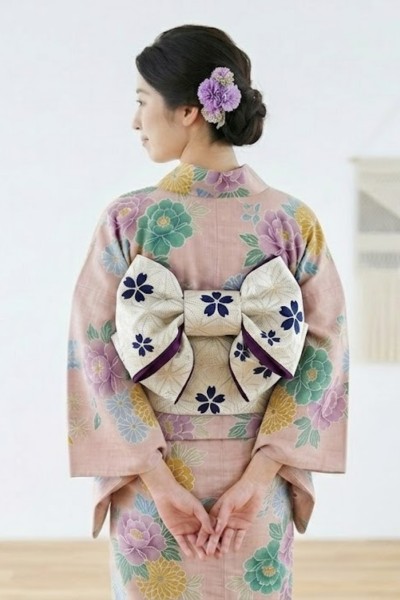
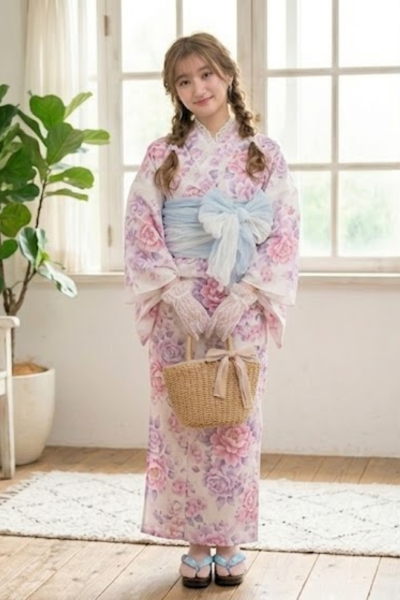
A soft and fluffy ribbon-style obi knot creates a charming back view. Perfectly paired with a gentle pastel floral yukata for a sweet summer look.
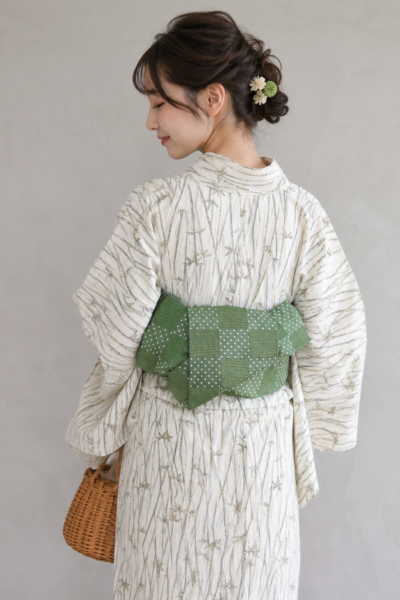
The clean and simple Kai-no-Kuchi knot gives a calm and refined impression. A natural yukata pattern enhances the elegant atmosphere.
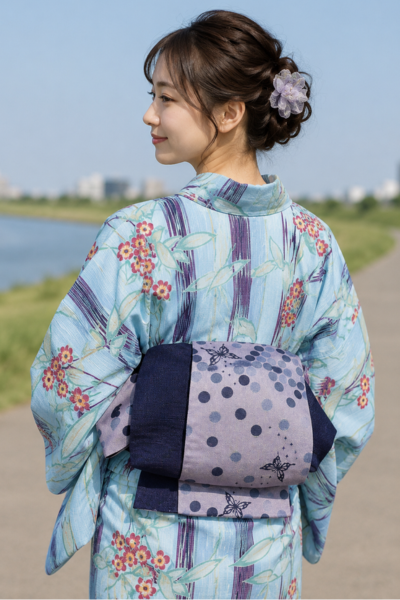
The structured Ginza knot beautifully highlights the back silhouette. Its refined shape pairs perfectly with a graceful yukata for a sophisticated summer style.
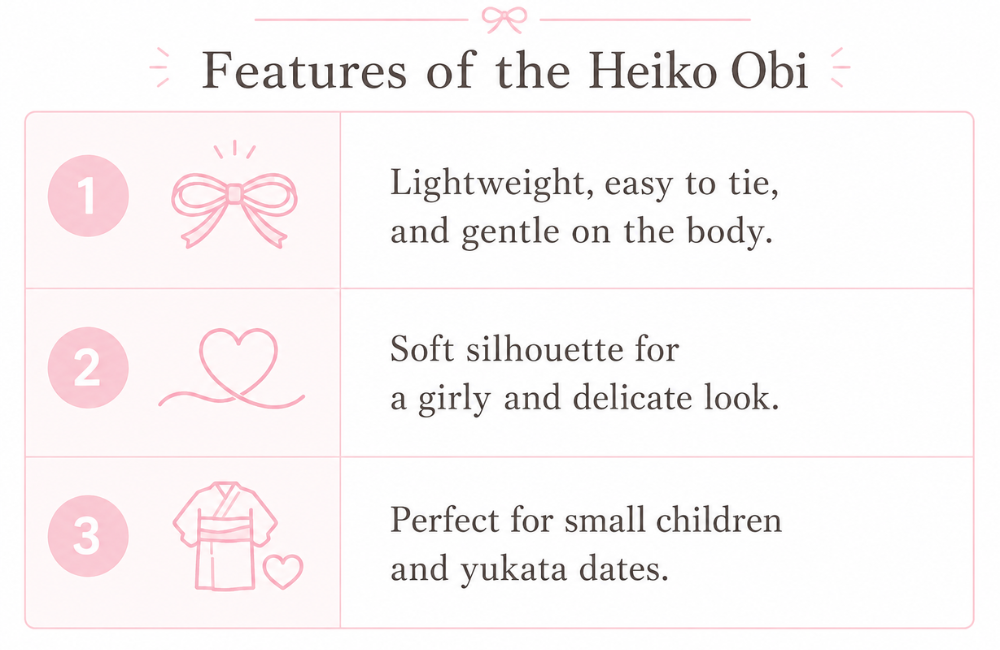
✿Heko obi
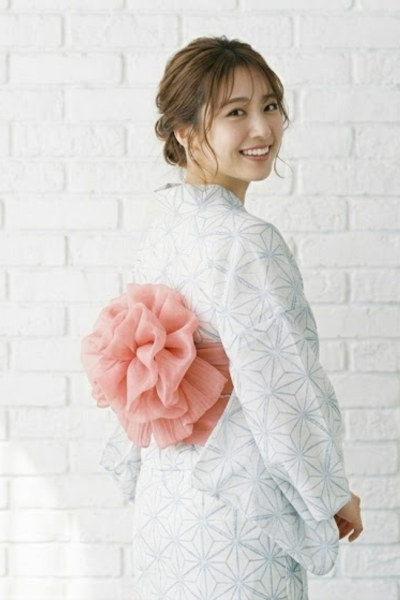
Soft. Effortlessly pretty
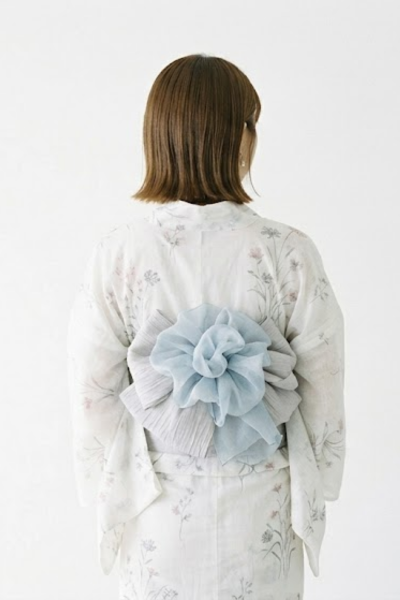
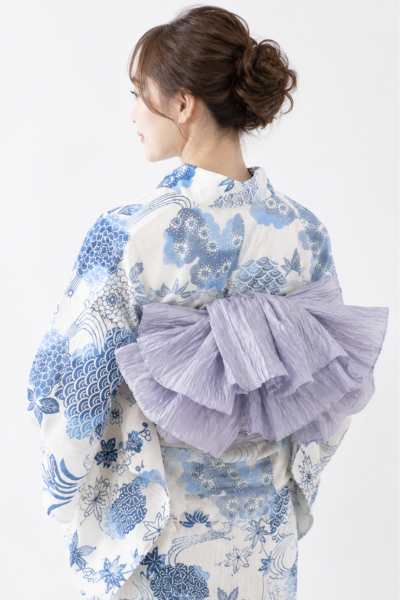
- Made from lightweight, flowing fabric that creates a soft, billowy silhouette.
- Simply gather and tie it like a big ribbon for an instant girly look.
- Comfortable for long wear.
Feminine
Easy to tie
Festival dates
✿Tsukuri obi
Pre-tied. Ready in seconds
- A “pre-formed” obi where the bow is already shaped.
- The body and bow sections are separate — just clip or tuck them in place.
- Perfect if tying feels daunting.
Beginner-friendly
Time-saving
Consistent result
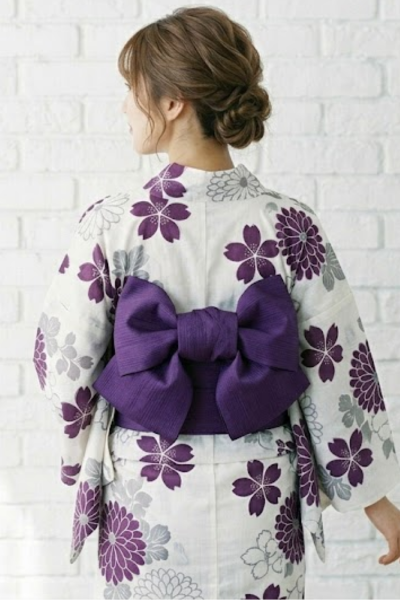
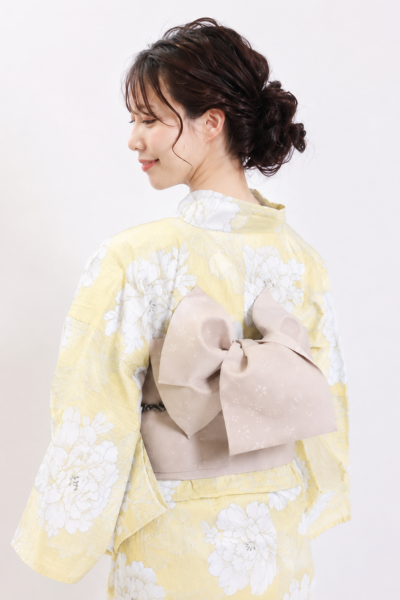
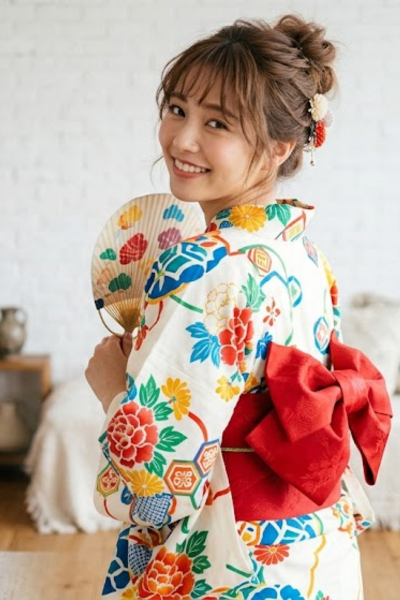
Quick color-matching tip: pairing your yukata and obi in contrasting colors creates a bold, eye-catching look. If you’re unsure, try a plain obi with a patterned yukata — it’s the easiest way to keep the outfit balanced and put-together.
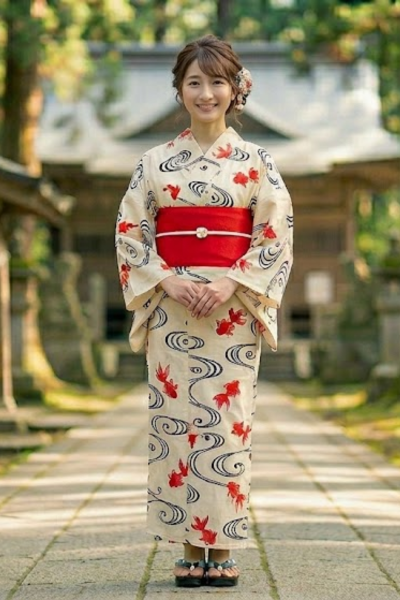
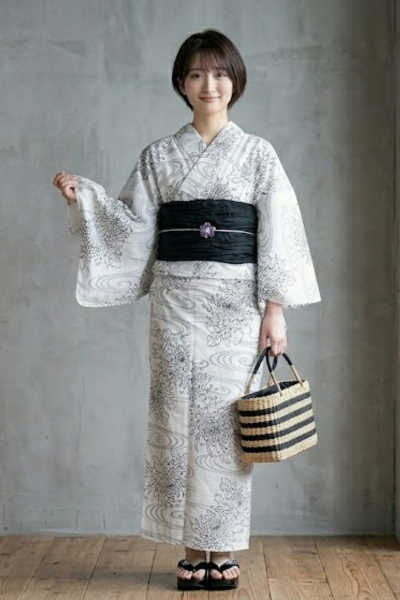
Outfit inspiration — 3 yukata coordinate ideas
Here are three styling ideas by mood.
Find the one closest to the look you’re going for and use it as your starting point.
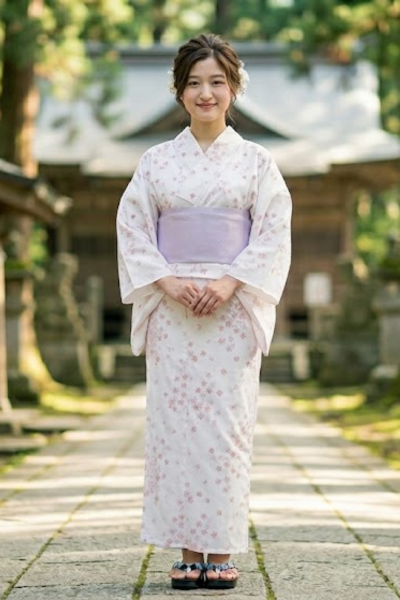
✿Fresh & classic
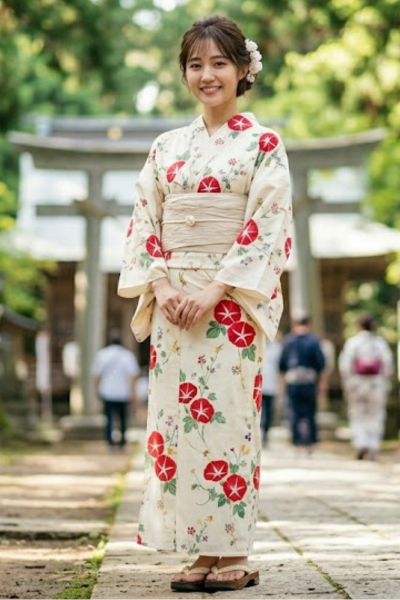
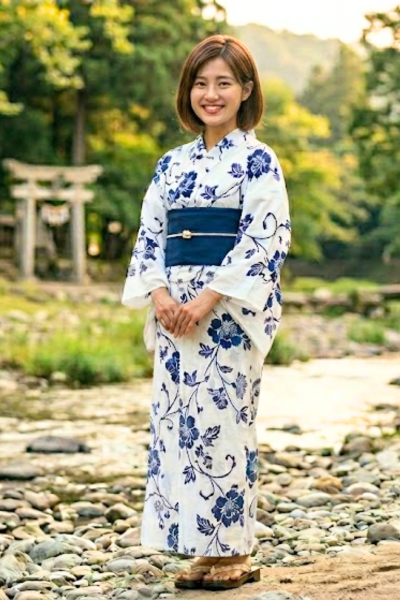
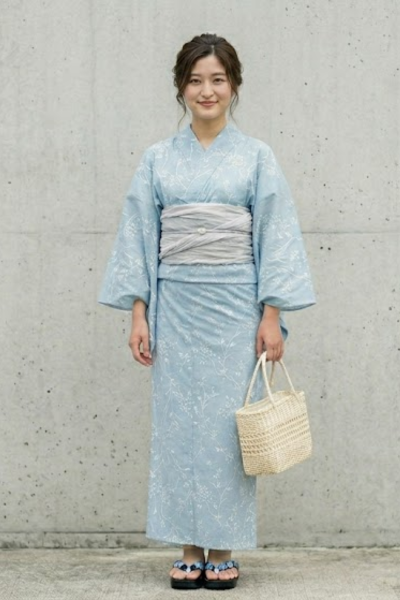
✿Soft & girly
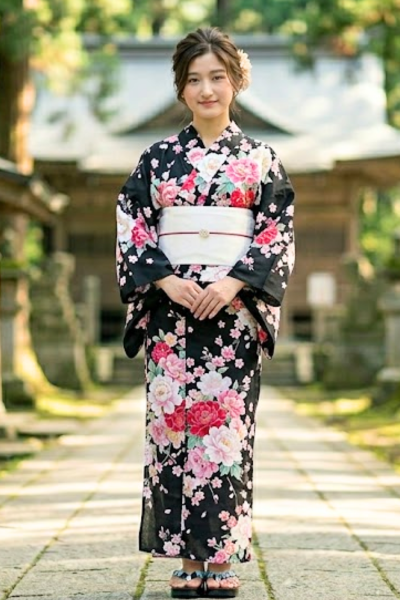
✿Elegant & grown-up
Frequently asked questions
Here are answers to some of the most common questions from first-time yukata wearers.
Q.Do I need to wear anything underneath a yukata?
It’s not required, but a slip-style undergarment is strongly recommended. It absorbs sweat, prevents the fabric from becoming see-through, and makes the whole experience much more comfortable.
Q.Should a beginner choose a han-haba or heko obi?
Both work great for beginners. If you want a neat, structured look, go with the han-haba obi. If you want something soft and easy to put on, the heko obi is ideal. Not confident with either? A tsukuri (pre-tied) obi takes the stress out completely.
Q.What’s the easiest way to match my yukata and obi colors?
The safest rule: pair a patterned yukata with a plain obi. Contrasting colors add energy; matching tones feel polished and calm. When in doubt, think of the yukata as the star and the obi as the supporting act.
Q.Is polyester yukata okay, or should I go for cotton?
Both have their strengths. Cotton is breathable and feels wonderful against the skin on hot days. Polyester is wrinkle-resistant, often machine-washable, and a practical choice for beginners. Neither is “wrong” — it depends on what matters most to you.
Summary — key tips for choosing your yukata & obi
- Start with color: cool tones feel refreshing, warm tones feel festive. Pick the mood you want to create.
- Pair a patterned yukata with a plain obi for the easiest, most polished result.
- Obi choice: han-haba for versatility, heko for softness, tsukuri for speed and ease.
- Don’t forget the essentials: waist ties,伊達締め (date-jime), and a Korin belt help keep everything in place.
- There’s no wrong answer — the best yukata is the one that makes you want to wear it.
We hope this summer, dressed in yukata, brings you moments that stay with you long after the season ends.