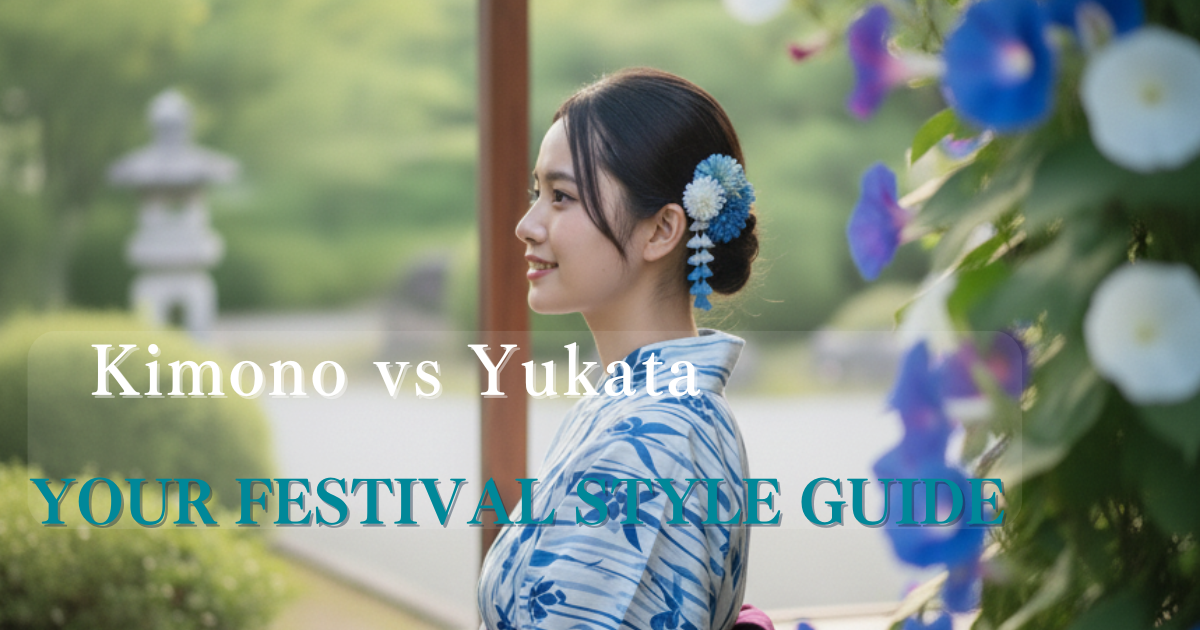
“Wait — what’s the difference between a kimono and a yukata?” If you’ve ever wondered that, you’re not alone.
These two garments look similar at first glance, but their fabrics, how you wear them, and the occasions they suit are actually quite different. Don’t worry though — it’s simpler than it sounds.
This guide breaks it all down with a quick comparison chart, dressing tips, and answers to the most common questions, so you can jump in with confidence.
Want to Learn More About Yukata?
If this article sparked your interest in wearing a yukata, here are some helpful articles to get you started:
- [For Beginners] How to Choose the Perfect Yukata|Color, Size & Pattern Basics
→ A beginner-friendly guide to help you find the yukata that suits you best. - [Guide] How to Fold a Yukata Properly|Simple Step-by-Step with Photos
→ Learn how to keep your yukata in great shape with easy folding techniques, even if you’re new to it. - How to Choose Yukata Obi|Differences Between Hanhaba, Heko & Pre-Tied Obi
→ Knowing the types of obi makes coordinating your outfit much more fun!
Kimono vs yukata at a glance
Both are forms of traditional Japanese dress, but they come from very different origins.
Kimono are versatile garments worn for everything from formal ceremonies to casual outings. Yukata, on the other hand, started as relaxed robes worn after a bath — and today they’re the go-to outfit for summer festivals and street strolls.
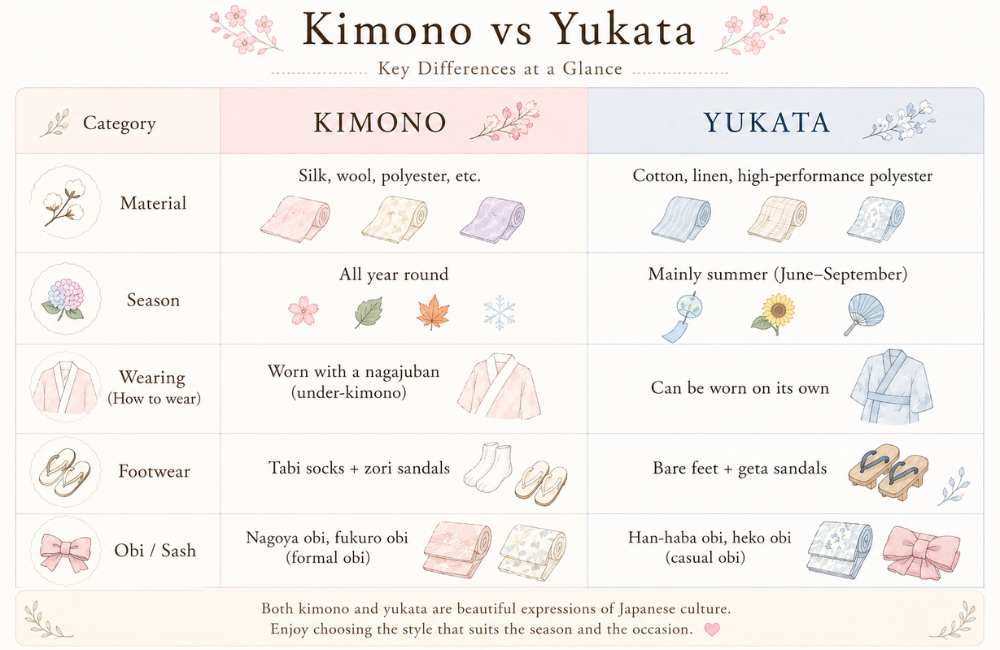
Here’s a quick side-by-side to get you started.
Comparison Checklist
Differences in Structure and Dressing Style
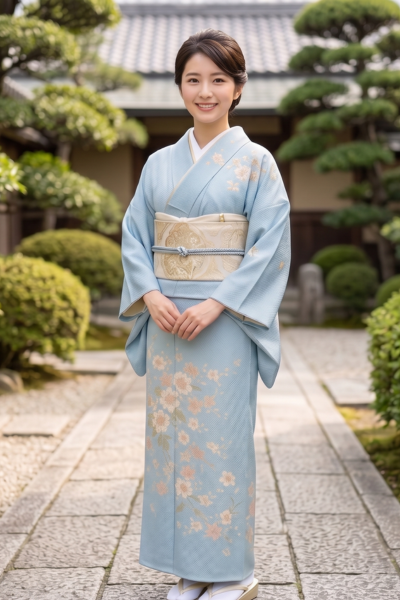
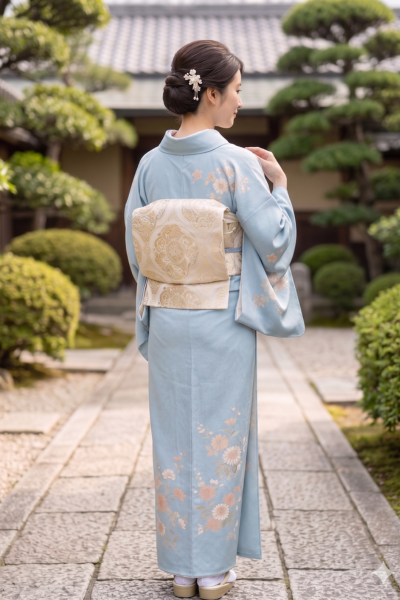
✿KIMONO
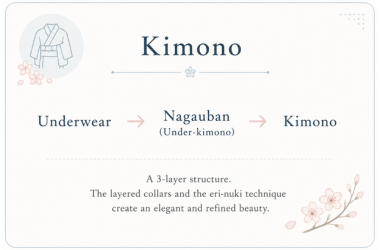
Wearing a kimono is a layered process: you start with an undershirt, add a nagajuban (an inner robe), then drape the kimono on top. The collar is carefully folded to create an elegant overlap, giving kimono their signature graceful look at the back of the neck.
✿YUKATA
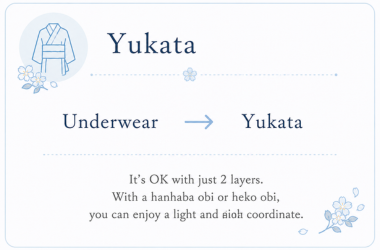
A yukata skips all that — you simply slip it on over a light undershirt. With a simple sash belt, you’re ready to go. The lower barrier means more energy for styling and having fun.
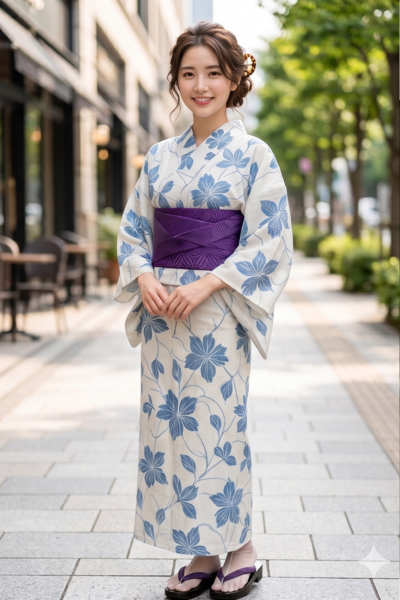
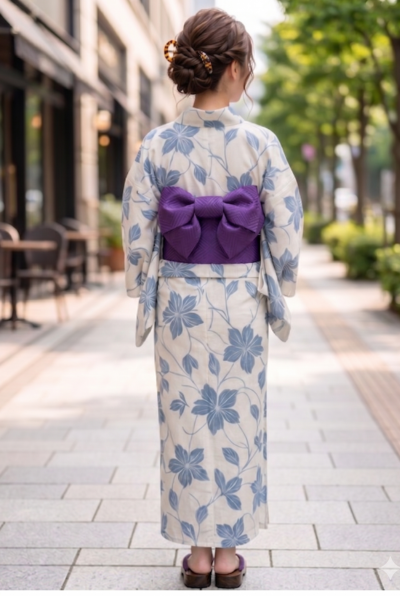
Yukata fabrics have come a long way
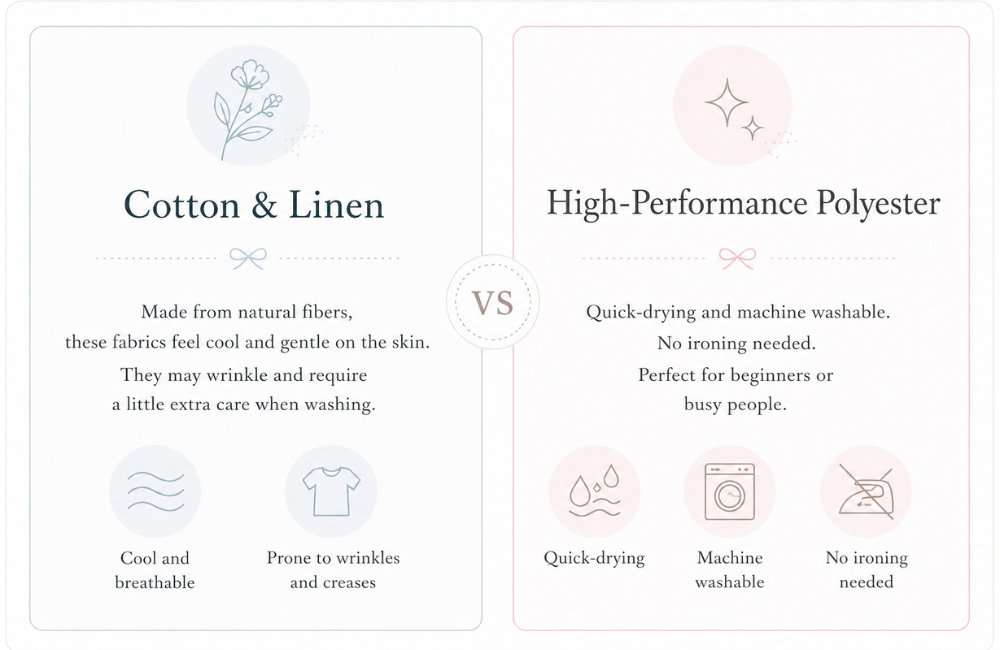
Traditional cotton and linen are still loved for their cool, natural feel — but they wrinkle easily and need careful washing.
That’s where modern high-performance polyester fabrics (like Seo Alpha) have changed the game.
Moisture-wicking, machine washable, and no ironing needed — this new generation of yukata fabric has become the go-to choice for beginners and frequent wearers alike.
When to Wear & Occasions
| Category | Kimono | Yukata |
|---|---|---|
| When to Wear | Worn throughout the year (seasonal styles include awase, hitoe, and usumono) | Mainly worn from June to September (recently also worn in May and October depending on the weather) |
| Typical Occasions | From weddings, ceremonies, and tea gatherings to everyday wear | Fireworks festivals, summer festivals, café outings, and other summer events |
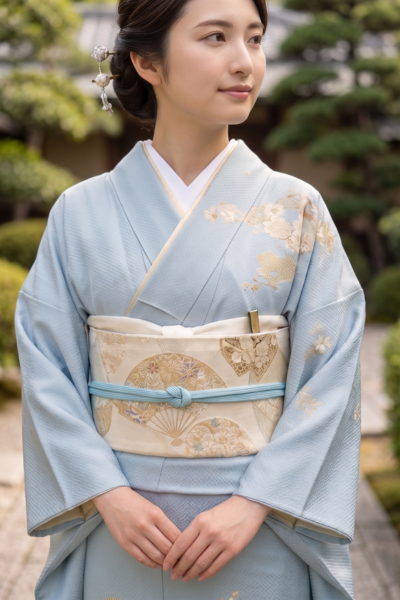
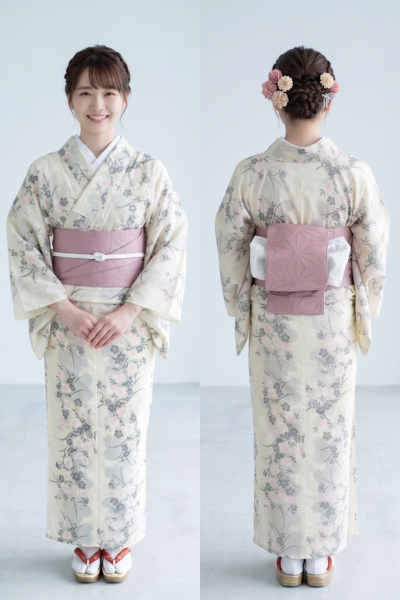
Kimono (Silk Fabric)
A kimono fabric made from high-quality silk with delicate traditional patterns.
Its elegant sheen and soft texture create a refined and graceful impression, making it suitable for formal occasions.
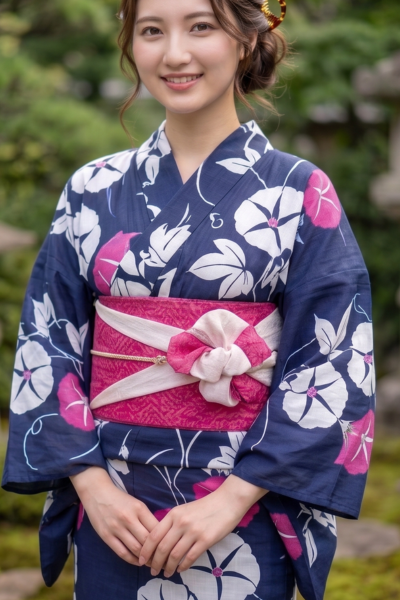
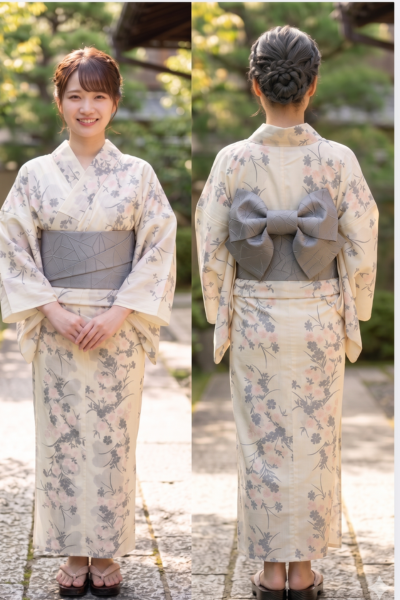
Yukata (Cotton Fabric)
Made from breathable cotton, yukata fabric feels cool and comfortable against the skin.
With its vibrant colors and patterns, it offers a casual and stylish look perfect for summer festivals and everyday outings.
Common questions answered
New to Japanese fashion? Here are the questions we hear most often.
The world of kimono and yukata is more flexible than you might think — there’s rarely just one right answer.
Use these as a starting point and make it your own.
Q. Is there a difference between men’s and women’s yukata?
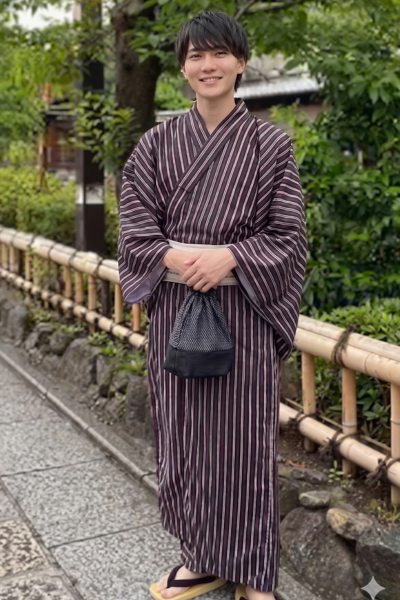
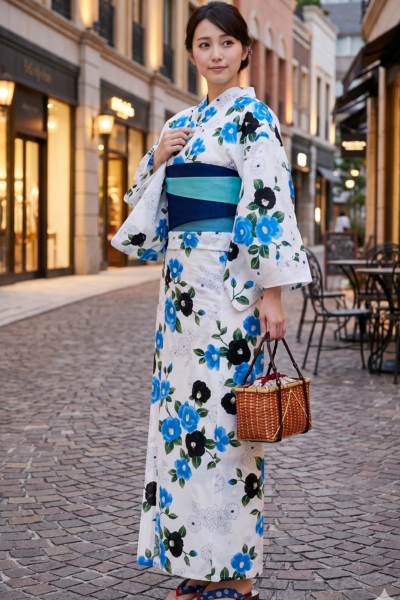
Yes — men’s yukata tend to feature simple stripes or indigo patterns and are worn shorter, belted with a flat kaku-obi sash for a clean look. Women’s yukata come in a wide variety of floral and decorative designs, and feature an ohashori — a fold at the waist used to adjust the length. The cut and construction are different, so make sure to choose one made for your gender.
Q. Does the belt (obi) matter?
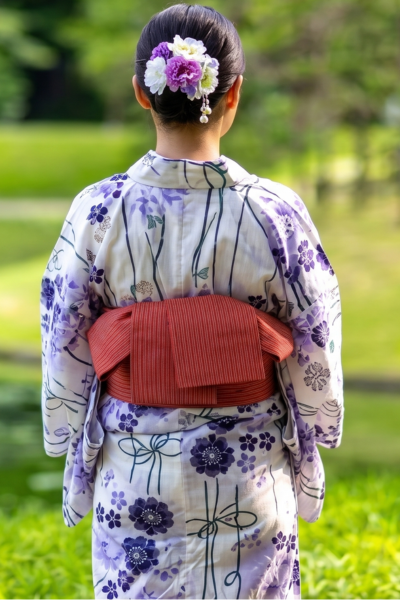
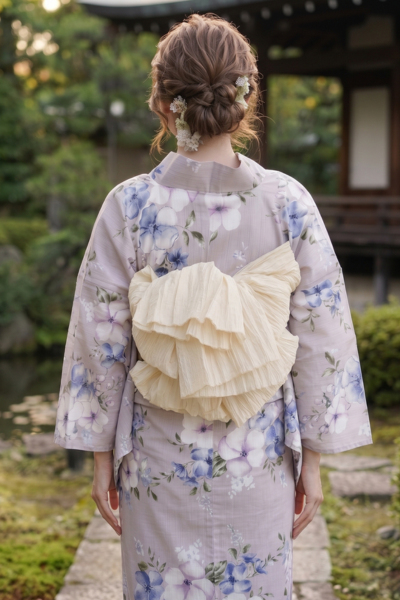
The standard choice is a hanhaba-obi (a narrow sash), but the soft, fluffy heko-obi has become hugely popular — especially among adult women.
It’s easy to tie in creative ways, like the casual “pata-pata” bow. Some fashion-forward wearers even use short antique obi for a unique look.
The best rule? Pick the belt that excites you.
Q. Can I style a yukata to look more like a kimono?
Absolutely! Add a nagajuban underrobe, tabi socks, and zori sandals and you’ve got a “summer kimono” look — polished enough for a hotel lunch or a trip to the theatre.
Just keep in mind that this dressed-up yukata style is still not appropriate for formal occasions like weddings. Read the room!
3 innerwear essentials for beginners
Not sure what to wear underneath? You’re not alone — and it matters more than you’d think.
The right innerwear prevents sweat stains, see-through fabric, and outfit slippage all at once.
Get these three basics right and your yukata will look great, even on your very first wear.
①One-piece kimono slip
Combines an undershirt and underskirt in one. Look for a cooling fabric version to stay comfortable on hot days.
②Wire-free kimono bra
Regular bras add too much volume to the chest, which can cause the outfit to shift and come undone. A flat kimono bra smooths the silhouette beautifully.
③Suteteko (slip shorts)
Prevents thigh chafing and makes it much easier to walk. Now popular for women too — a summer Japanese dressing staple. Unisex options available.
💡 Helpful Tip
Just wearing innerwear makes a big difference—it prevents sweat stains, transparency, and helps keep your yukata looking neat.
Even if it’s your first time dressing in a yukata, the right undergarments give you confidence and a clean, well-put-together look. ◎
Conclusion|The Subtle Depths of Traditional Japanese Dress
The more you explore kimono and yukata, the more you realise how open and creative this world truly is.
There’s no single “right” way to tie your belt, choose your fabric, or put an outfit together. What matters most is that you feel comfortable and enjoy wearing it.
Start with one piece that speaks to you — no deep knowledge required. Once you find your style, the joy of Japanese fashion has a way of quietly growing on you.
If you’re feeling inspired to try wearing a yukata, be sure to check out these helpful guides below.
They’ll make your yukata experience even more fun and easy: