When you think, “I’d like to try wearing kimono,”
the first obstacle you often face is the sheer number of tools and accessories.
With so many unfamiliar names, it’s natural to wonder,
“Do I really need all of these?”
That uncertainty is completely understandable.
In reality, the number of items beginners need to start is not that large.
In this article, we focus only on the essential “hidden accessories”
that are truly necessary for wearing kimono, carefully selected and explained.
Once you understand what each item does and how to choose it,
preparing for kimono becomes much simpler—and more enjoyable.
Find the pieces that feel right for you,
and take your first step into the kimono life you’ve been dreaming of.
At a Glance: Essential Kimono Accessories Checklist
When you start learning kimono dressing,
you may feel overwhelmed by being told that “you need this and that.”
In truth, the number of tools beginners need at the beginning is quite small.
The first step is to understand the minimum essentials
and get a clear picture of what is actually required.
Here, we have put together a simple list of the basic tools
that are indispensable for kimono dressing.
Whether you are about to start shopping
or want to check what you already have at home,
use this checklist to ease your worries and get started with confidence.
All You Need to Get Started
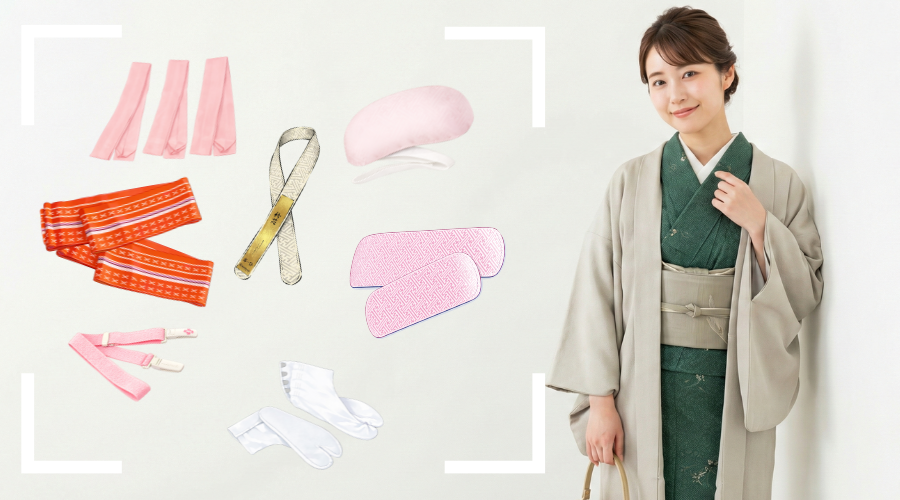
The list below is a checklist of the essential “hidden accessories”
you need in order to wear kimono.
Once you have these items,
you can start practicing kimono dressing right away.
Save the image on your phone and use it as a reference
when shopping in stores or online.
It will help you avoid unnecessary purchasesand prepare wisely with confidence.
[Essential] Kimono Accessories Checklist
Use this checklist when preparing or shopping for kimono accessories.
☐ Start here — absolute essentials
These are the minimum items beginners need in order to wear kimono.
- ☐ Underwear (Hadajuban & Susoyoke)
(or a one-piece kimono undergarment) ×1 - ☐ Tabi (Japanese socks) ×1 pair
- ☐ Koshihimo (waist ties) ×3–4
- ☐ Datejime (kimono sash for securing layers) ×2
- ☐ Erishin (collar stiffener) ×1
- ☐ Obi-ita (obi board) ×1
- ☐ Obi-makura (obi pillow) ×1
☐ Helpful Extras: Recommended Support Items for Beginners
Not essential, but having these makes kimono dressing much easier.
- ☐ Korín belt ×1
- ☐ Japanese-style bra
(a sports bra or any non-wired bra is also fine) - ☐ Kimono clips
Kimono Accessories: The Invisible Foundation
You may wonder, “Why are there so many strings and boards?”
But these items form the essential foundation for a beautiful kimono look.
When the unseen areas are properly adjusted and secured,
a kimono remains comfortable to wear all day
and is far less likely to come undone.
On the other hand, neglecting this foundation can make even the finest kimono
appear untidy and poorly fitted.
Once you understand the role of each item,
your kimono dressing skills will improve much more quickly.
All You Need: A Complete Overview of Kimono Accessories
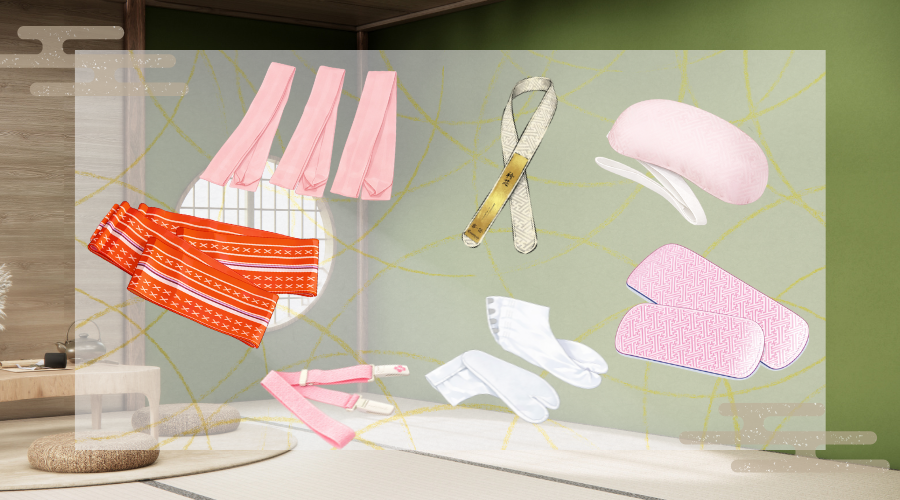
[Undergarments & Footwear] Innerwear That Prepares the Skin
A day in kimono begins with choosing the right innerwear.
Because these items sit closest to your skin,
getting this layer right can dramatically improve comfort.
They absorb sweat and protect your kimono from stains,
but they also play an important role in ease of movement
and the overall beauty of the silhouette.
In fact, both are largely determined by your undergarments and footwear.
Because these parts are unseen,
choose what feels most comfortable for you.
By doing so, you create a comfortable foundation
that lets you enjoy your day in kimono with a natural smile.
◆ Hadajuban & Susoyoke(or a one-piece kimono undergarment)
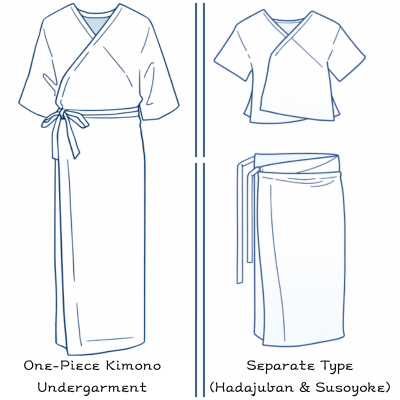
The hadajuban (upper undergarment) and susoyoke (lower wrap)are traditionally worn as separate pieces.
For beginners who feel that wearing two items sounds complicated,a one-piece kimono undergarment is highly recommended.
You simply slip it over your head, and you’re ready to go—much like wearing a dress slip with Western clothing.
It not only helps prevent your kimono from shifting,but the smooth fabric around the hem also makes walking easier.
With just this one item, the hurdle of wearing kimono becomes much lower,
and your preparation time can be significantly shortened.
◆ Tabi (Traditional Japanese Socks)
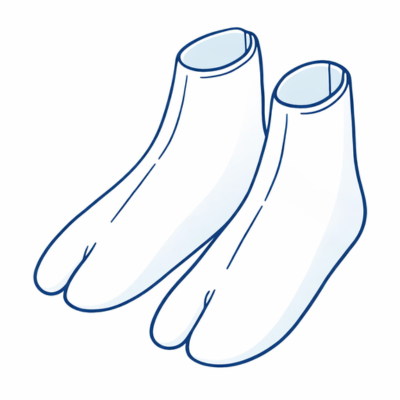
Putting on clean, white tabi naturally sharpens your posture and your mood.
As the saying goes, “Style starts from the feet,”
and beautifully worn tabi are a true sign of elegance in kimono.
If you’re worried that unfamiliar tabi might hurt your feet,
start with stretch tabi.
They are elastic like socks, feel non-restrictive,
and stay comfortable even when walking for long periods.
Begin with easy, comfortable tabi,
and enjoy simple pleasures like strolling or visiting a café in kimono.
[The Framework] Ties That Secure the Kimono to the Body
If the idea of tying cords sounds uncomfortable,there’s no need to worry.
When tied in the correct position, they should not feel tight at all.
Instead, they gently support your posture,helping your back straighten naturally
and creating a pleasant, dignified sense of poise.
◆ Koshihimo (Waist Ties) ×3 or more
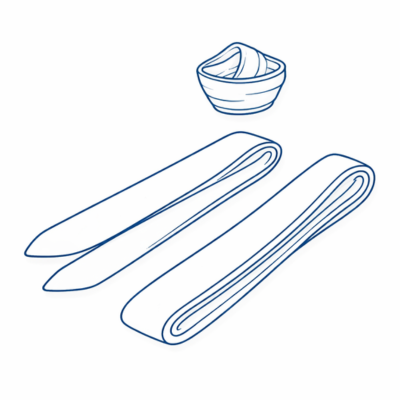
Koshihimo are ties used to secure the kimono and nagajuban,
preventing the layers from shifting out of place.
They are an absolute essential in kimono dressing,
used to shape the fabric smoothly along the body.
Despite the name, koshihimo are not used only around the waist.
They can also be tied at the chest to hold the collar in place
or used temporarily when forming an obi knot—
making them a remarkably versatile item.
To start, prepare three to four non-slip muslin koshihimo
and enjoy the freedom of adjusting your kimono with ease.
◆ Datejime (Kimono Sash for Securing Layers) ×2
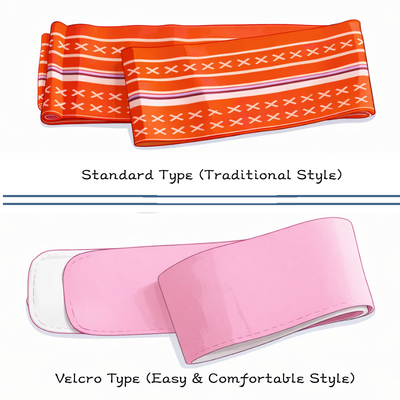
Datejime play a key role in stabilizing kimono dressing,helping to keep the collar alignment and ohashori neatly in place.
The basic rule is to use two datejime in total—one for the nagajuban and one for the kimono.
Because they press evenly with a wide surface,they feel less restrictive than cords
while providing firm, reliable support.
There are also several types to choose from.
The standard type allows you to adjust the tightness freely,while the Velcro type offers easy, one-touch fastening.
For beginners, starting with the Velcro type is a great option.
Find the one that suits you best
and enjoy a full day in kimono without worrying about shifting or discomfort.
*Types of Datejime & How to Choose
Standard Type (Traditional Style)
Features:
A type that is tied to secure. There are various options, including evenly wide styles, tapered ends that are easier to knot, and elastic versions with added stretch.
Recommended for:
Those who want to fine-tune the fit and pursue their own preferred level of comfort.
Velcro Type (Easy & Comfortable Style)
Features:
Simply fasten with Velcro for quick and easy wear. With no knots, the back stays smooth and flat.
Recommended for:
Perfect for beginners who want a simple, no-fuss option without complicated steps.
◆ Korín Belt (Elastic Kimono Belt)
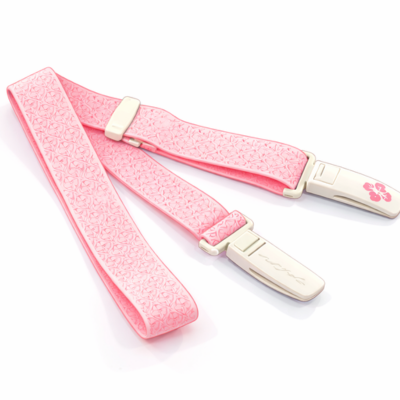
“My collar keeps opening up…”
If this sounds familiar, there’s a simple solution for beginners: the Korín belt.
By clipping both ends directly onto the collar,it keeps the neckline neatly in place even as you move.
It’s a reliable little helper that maintains a beautiful collar line with ease.
It almost feels as if another you is gently holding the collar in position all day long,
giving you a wonderful sense of reassurance.
While not absolutely essential, having a Korín belt greatly lowers the difficulty of kimono dressing.
For anyone who feels a bit clumsy or unsure,this is an item I wholeheartedly recommend.
[Shaping] Cores, Boards, and Pads for a Beautiful Silhouette
Once the foundation is in place,the final step is shaping the form.
The word “shaping” may sound complicated,
but in reality, it’s the easiest—and most enjoyable—part of kimono dressing.
The items introduced here work almost like magic.
Simply placing them where needed can instantly elevate a beginner’s look
to something beautifully polished.
With these tools,both the collar and the obi fall perfectly into place.
◆ Erishin (Collar Stiffener)
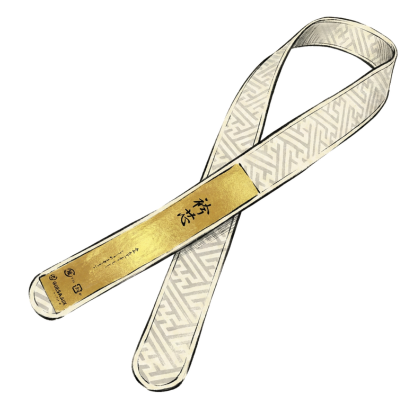
An erishin is a collar stiffener inserted into the collar of the nagajuban.
It is typically about 4–5 cm wide and 80–90 cm long.
With just this single piece,
the collar is beautifully shaped and held firmly in place,
preventing it from losing its form.
Especially in formal settings,
a well-defined collar greatly influences the overall elegance of a kimono look.
Simply sliding the erishin into the collar creates a graceful neckline curve,
brightening the area around the face and enhancing the entire appearance.
◆ Obi-ita (Obi Board)
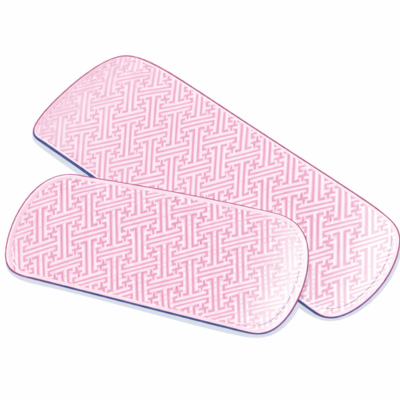
An obi-ita is a flat board used to prevent wrinkles in the obi,
especially when sitting, while keeping the waist area looking smooth and neat.
Without it, even a carefully tied obi can easily develop creases.
Simply slipping the obi-ita in while wrapping the obi
creates a beautifully taut, polished finish.
It acts like a dependable guard for your obi,
supporting a dignified, confident posture and a clean silhouette.
◆ Obi-makura (Obi Pad )
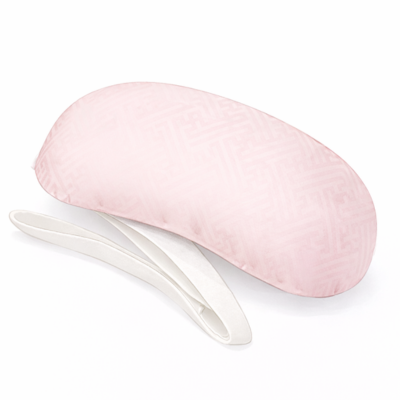
An obi-makura is used to shape obi knots
and to keep the obi securely in place at the back.
It serves as an essential foundation not only for the otaiko style
but also for many other types of obi knots.
There is actually a wide variety of obi-makura,
differing in size, shape, and material.
Ideally, you would choose one based on the obi style you want to create
and how it feels to wear.
However, if you are wearing kimono only occasionally,
using what you already have is perfectly fine.
Hidden from view, the obi-makura quietly supports
the beautiful three-dimensional form of the back—
truly an unsung hero of kimono dressing.
Conclusion
Do the names and roles of the tools feel a bit clearer now?
At first, you may be surprised and think, “There are so many!”
But each of these items is designed to make kimono dressing
easier and more beautiful for you.
There’s no need to aim for perfection.
Starting by getting the right tools is already a wonderful first step.
Once you’ve gathered the items you like,
all that’s left is to practice.
Relax, take it at your own pace,
and enjoy the experience of wearing kimono.