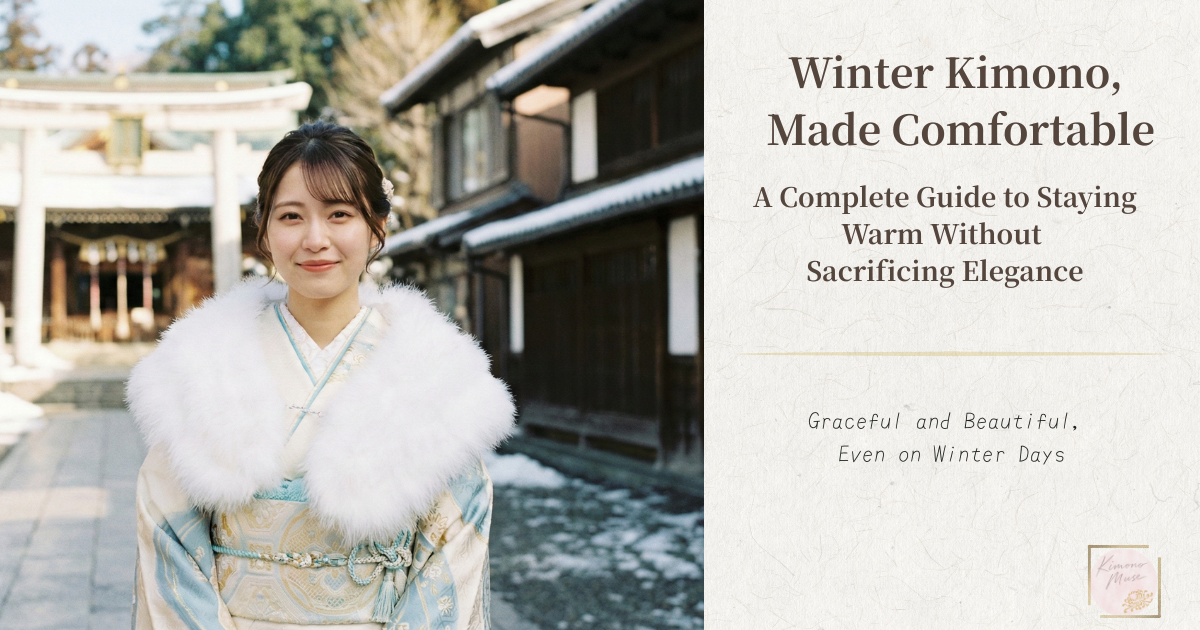
A kimono has a unique power. Simply wearing one can change your mood, the way you move, and even the atmosphere around you.
In Japan, people often choose kimono for important milestones such as Coming-of-Age Day, the New Year, or school entrance and graduation ceremonies. On days that feel truly special, many people think, “This is a day worth celebrating in a kimono.”
However, especially for first-time wearers, kimono come with a few small challenges that are quite different from everyday Western clothing.
You may look perfectly dressed, but feel uncomfortably cold. Static electricity can cause the hem to cling to your legs, making it hard to walk smoothly. When that happens, it becomes difficult to fully enjoy what should be a memorable day.
In this article, we introduce three common points that beginners often struggle with, based on real experiences from kimono dressing professionals. Each point is explained with simple, practical tips to help you stay warm and comfortable.
From fabric choices and winter layering techniques to easy care after you return home, this guide covers everything you need to know.
By the end, your worries will turn into confidence, and spending a winter day in a kimono will feel far more enjoyable.
Polyester Kimono: Watch Out for Static Electricity and Overheating
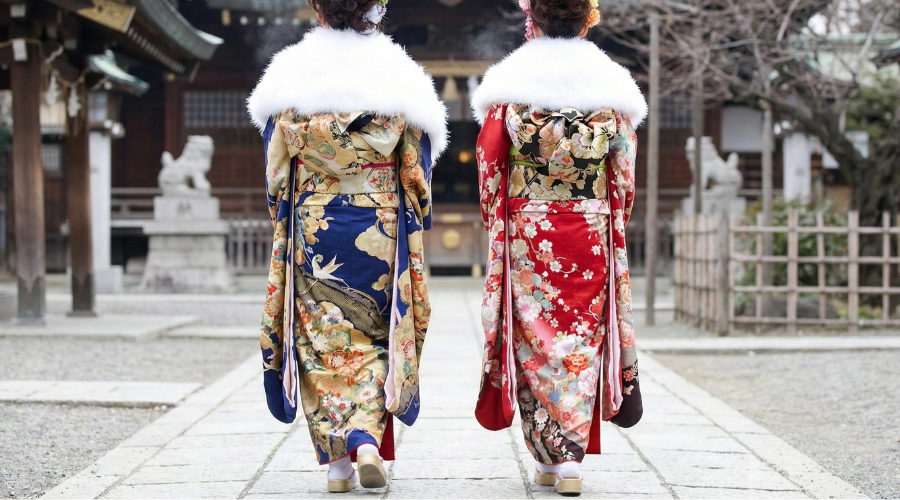
In recent years, more people in Japan have been choosing polyester kimono and nagajuban (an under-kimono worn beneath the kimono) because they are easy to care for and more affordable.
The ability to wash them at home and wear them without worrying too much is a major advantage, especially for beginners.
However, there are two important points specific to synthetic fibers that are helpful to know in advance.
Static Electricity Is More Likely in Winter
Synthetic fibers such as polyester are more likely to generate static electricity during dry winter months.
As you walk, the hem may cling to your legs, or you may feel a sudden shock when you try to adjust it. This can be surprising, especially if you are not used to wearing kimono.
However, with a few simple precautions, this issue can be greatly reduced.
| Measure | How to Do It | Why It Works |
|---|---|---|
| Change the fabric combination | Wear inner layers made from natural fibers such as cotton, silk, or linen under your kimono. | Natural fibers are less likely to hold static electricity, helping to prevent static buildup from the start. |
| Use an anti-static spray | Lightly spray an anti-static product before going out, especially around areas where friction occurs. | Focusing on the hem and foot area helps reduce uncomfortable clinging while walking. |
| Layer your prevention | If both your kimono and nagajuban (under-kimono) are made of polyester, apply anti-static spray to both layers. | This combination is most likely to cause static, so treating both layers provides better protection. |
This is one of those details where simply knowing it in advance can make a big difference in how comfortable your kimono feels.
Keep these points in mind before you go, and enjoy your time in a kimono with confidence and ease.
Polyester Traps Heat Easily
Another point that is often overlooked is that polyester can feel surprisingly stuffy, especially for people who tend to feel warm easily.
Because polyester does not breathe very well, those who sweat easily may feel uncomfortable even in winter, particularly in heated indoor spaces.
On days with frequent movement between indoors and outdoors—such as formal events where you travel between venues—the type of kimono fabric can noticeably affect how warm or cool you feel.
Simply choosing materials based on whether you tend to feel cold or warm can make a significant difference in your comfort throughout the day.
Kimono Feel Colder Than They Look: Keep the Three Key Areas Warm
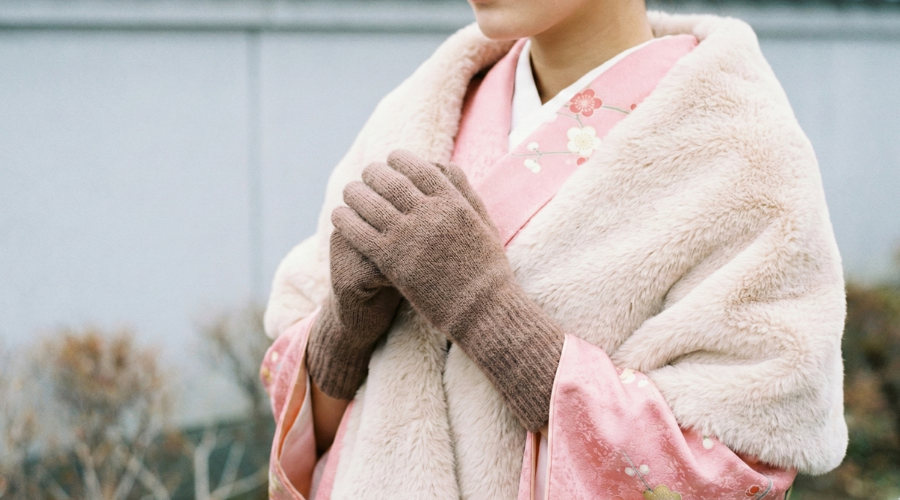
Kimono may look soft and warm, but their structure actually allows cold air to pass through more easily than expected.
Because kimono are traditionally worn with the collar pulled back, the back of the neck is left exposed. In addition, the wide sleeve openings and the hem allow air to move in and out as you walk.
The key to avoiding regret on cold winter days is to keep three areas warm: the neck, the wrists, and the ankles.
By protecting these three points, the temperature you feel can change dramatically.
💡 Recommended Cold-Weather Items and How to Use Them
◆ Long Gloves (Arm Warmers)
Styles that cover up to the elbow provide significantly better warmth. Compared to short gloves that only cover the wrists, they keep you much warmer and effectively block cold air from entering through the wide kimono sleeves.
Neutral colors such as beige or black pair well with any kimono and will not distract from your overall look.
◆ How to Use Shawls and Stoles Properly
The back of the collar is one of the easiest places for cold air to enter. Simply placing a shawl so that it overlaps the collar area can greatly reduce heat loss.
On particularly cold days, layering the shawl slightly higher to seal the neck area will make it even more effective.
◆ Tabi Liners (Inner Socks for Layering)
These thin inner tabi can be worn underneath your regular tabi without changing the size. They are especially effective at keeping your toes warm, making them a reliable and comforting item for winter kimono wear.
▼ Cold-Weather Items I Personally Use
| Item | Key Points |
|---|---|
| Long Gloves | Essential for blocking cold air entering through the wide kimono sleeves. Styles that reach up to the elbow provide the best warmth and protection. |
| Shawl | Wrapping the shawl so that it covers the back of the neck (the area exposed by the kimono collar) makes a noticeable difference in warmth. |
| Tabi Liners | Simply adding these changes how warm your feet feel. They are thin enough to layer under regular tabi without any issues. |
⚠️ Important Safety Note: Be Careful with Adhesive Heat Packs
Kimono are worn tightly around the waist with an obi, which increases pressure on the body. Using adhesive heat packs under these conditions can raise the risk of low-temperature burns.
A safer option is non-adhesive heat packs. These can be used only when you feel cold, placed temporarily inside the sleeves or the front of the kimono to warm your body without prolonged pressure.
They are also effective when briefly held against areas that tend to feel cold, such as the sleeve openings or the top of the foot while wearing tabi socks.
Protect Your Kimono: Let Moisture Escape Before Storing It
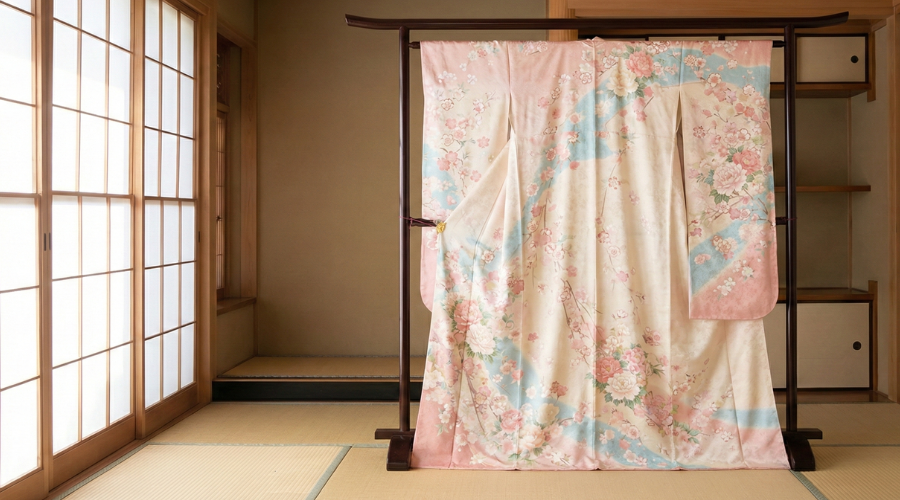
After wearing a kimono, many people fold it right away to prevent wrinkles as soon as they get home.
However, this is actually a major cause of problems such as sweat stains and mold.
● Storing It Immediately Can Lead to Stains and Mold
Kimono fabrics, including silk, are particularly sensitive to moisture.
If you fold and store a kimono right after wearing it, sweat and moisture can become trapped deep in the fabric. Over time, this can result in stains or mold that are difficult to remove.
● Proper Aftercare: Airflow Is the Key
Caring for your kimono properly is surprisingly simple and helps it last much longer.
- Hang the kimono: Use a kimono hanger if possible. If you do not have one, a tension rod or similar alternative works well.
- Let moisture escape: Hang it in a well-ventilated room away from direct sunlight for half a day to one full day.
- Turn it inside out if needed: If you perspired heavily, airing it inside out helps moisture evaporate more effectively.
Avoid leaving it hanging for more than a day, as this can cause the fabric to lose its shape or fade.
Once the moisture has fully dissipated, fold the kimono carefully. If you notice any stains or dirt, consider taking it to a professional kimono cleaner. This simple extra step ensures your kimono will be fresh and comfortable the next time you wear it.
Conclusion
A kimono is not just something you wear. By knowing a few small tips for staying comfortable, the joy of wearing one can increase many times over.
- With polyester kimono, prepare in advance to prevent static electricity and overheating.
- For warmth, protect three key areas: the neck, the wrists, and the ankles.
- After wearing your kimono, avoid folding it right away. Let it air out so moisture can escape.
By keeping these three points in mind, there is no need to worry about the cold or unexpected discomfort.
May your special day be filled with warmth, comfort, and many happy memories.
▼ Related Articles
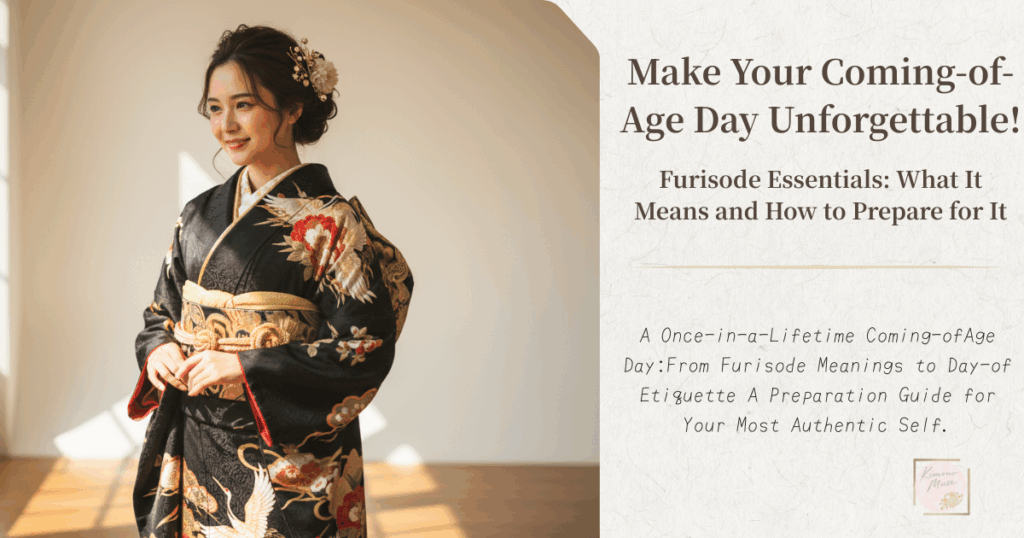
If you plan to wear a furisode (long-sleeved kimono) for Coming-of-Age Day, preparing for the cold is especially important.
For more detailed tips and guidance, you may also find these articles helpful: