Do you feel like wearing a kimono in summer would be too hot?
If so, you may not have discovered the charm of usumono yet.
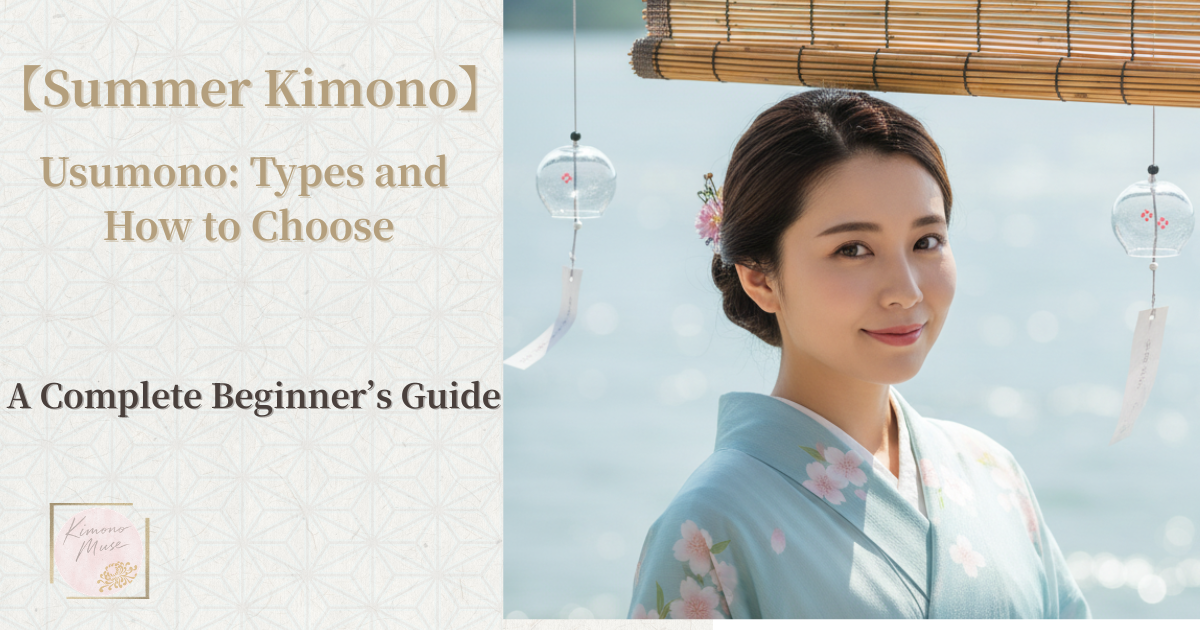
Usumono are lightweight, sheer kimono made especially for summer.
With their airy feel—almost like wearing the breeze—they can turn the Japanese summer from something to endure into something to enjoy.
Let’s explore together how to choose the right type, and how to pair it with obi and accessories.
What exactly is usumono?
Usumono refers to sheer, lightweight kimono worn during the peak of summer, typically in July and August.
They are made from breathable and airy fabrics such as sha, ro, and asa, which help keep you cool in the heat.
The greatest charm of usumono lies in its sheer beauty.
As the colors of the nagajuban (under-kimono) and obi gently show through, they create a layered look with depth and a refreshing, airy feel.
Just looking at it feels cool—that is the true delight of usumono.
Usumono vs. Yukata: What’s the Difference at a Glance
If you’re thinking, “Isn’t it the same as a yukata since it’s worn in summer?”—this is an important point to understand!
Yukata vs. Usumono (Summer Kimono): Comparison Chart
| Category | Yukata | Usumono (Summer Kimono) |
|---|---|---|
| When to Wear | Mainly July–August | July to early September |
| Occasions | Fireworks festivals, summer festivals, everyday wear | Dining, theater, tea gatherings, etc. |
| Undergarment | Can be worn directly on bare skin | Requires a summer nagajuban (under-kimono) |
| Footwear | Bare feet with geta (wooden sandals) | Tabi socks with zori sandals |
| Overall Style | Casual and relaxed | Elegant and refined |
Usumono are considered “dressier” summer kimono.
They are suitable for slightly more formal occasions than yukata, allowing you to express a sense of elegance and mature ease.
Types of Usumono: Find the One That Suits You
Each type of usumono has its own unique character depending on the fabric.
To make choosing easier, start by thinking about the occasion you want to wear it for.
✿ For Formal Wear
Formal Usumono (Summer Kimono): Comparison Chart
| Type | Features | Occasions & Appeal |
|---|---|---|
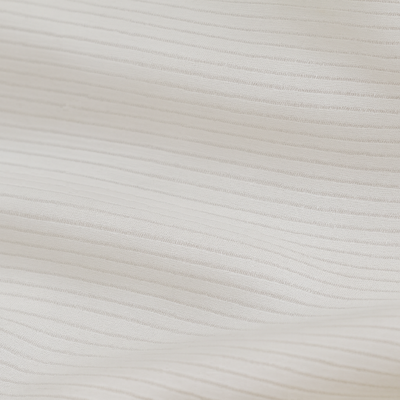 Ro Ro | A woven fabric with horizontal open spaces that allow airflow | Often used for homongi and iromuji. Suitable for tea gatherings and formal events, offering an elegant and refined look |
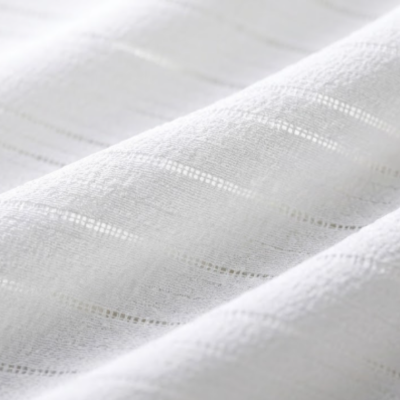 Ro Chirimen Ro Chirimen | Combines the sheer quality of ro with the soft, textured feel of chirimen crepe | A luxurious fabric that balances elegance and softness, ideal for more refined and graceful styling |
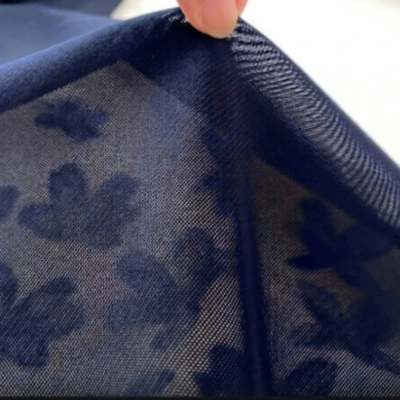 Sha Awase Sha Awase | A rare formal style worn only for a short period (late June to early July) | A special, seasonal piece that lets you enjoy the fleeting beauty of early summer |
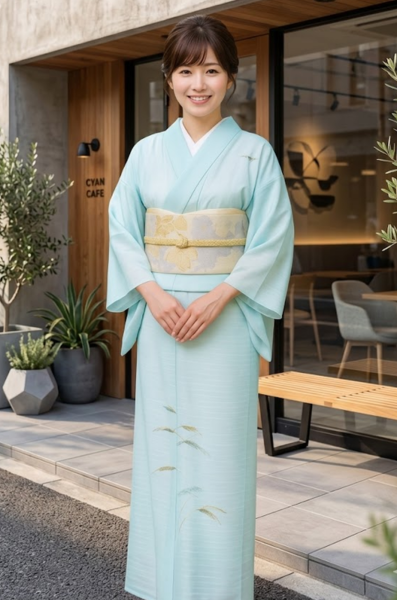
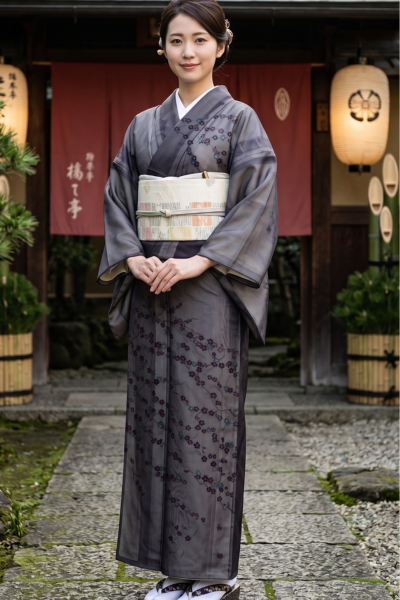
Light Blue Ro Tsukesage
A soft, light blue ro tsukesage styled with a gentle smile in front of a café. Paired with a white ro fukuro obi, the pastel tones around the waist create a fresh and refreshing look. Perfect for a casual lunch with friends or a relaxed tea gathering.
Kimono: Ro Tsukesage
Obi: Ro Fukuro Obi
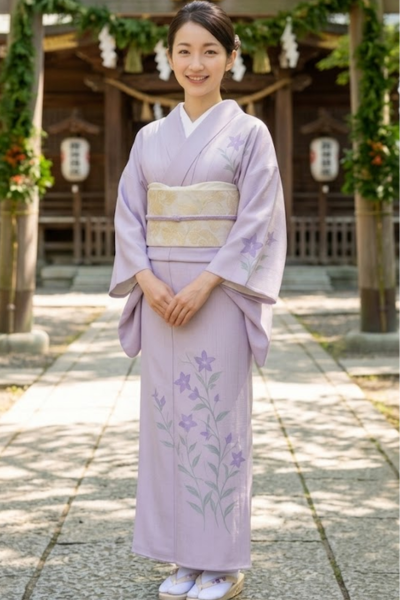
Pale Wisteria Ro Homongi
A pale wisteria-colored ro homongi that stands beautifully against the fresh greenery of a shrine. The cool, seasonal kikyo (bellflower) pattern is paired with a subdued ro fukuro obi, creating a refined look with a sense of mature elegance. Perfect for special outings or a visit to the theater.
Kimono: Ro Homongi
Obi: Ro Fukuro Obi
Sha Awase Kimono
A rare formal kimono worn only for a short period from late June to early July. The inner pattern softly shows through the sheer outer layer, creating a sense of quiet luxury. Pair it with a summer Nagoya obi for a light and elegant finish.
Kimono: Sha Awase
Obi: Summer Nagoya Obi
✿ For Casual Wear
Casual Usumono (Summer Kimono): Comparison Chart
| Type | Features | Occasions & Appeal |
|---|---|---|
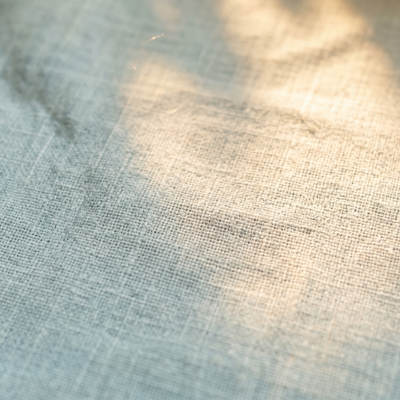 Asa (Linen) Asa (Linen) | A natural fabric with excellent breathability, moisture absorption, and quick-drying properties. Crisp and slightly textured against the skin. | Ideal for café hopping, summer strolls, girls’ outings, and festivals (as an alternative to yukata). Loved for its cool feel and easy care. |
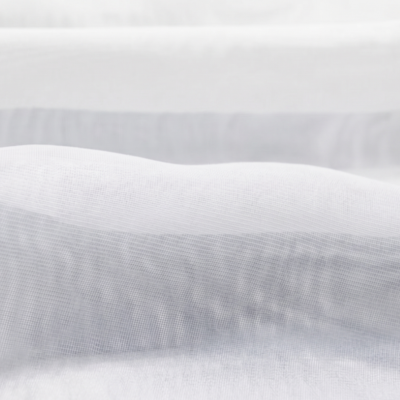 Sha Sha | An open-weave fabric with great airflow. More casual than ro, offering a light and breezy feel. | Suitable for shopping, dining with friends, summer events, and casual theater visits. Its sheer look adds a refreshing and stylish touch. |
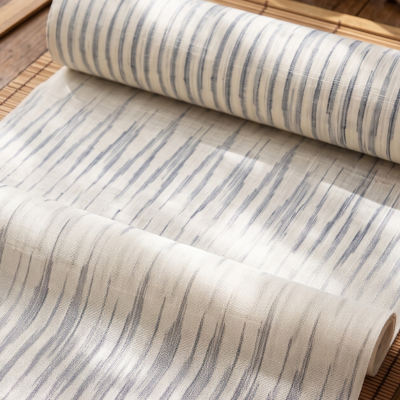 Natsumugi (Summer Tsumugi) Natsumugi (Summer Tsumugi) | Features the characteristic slub texture of tsumugi, with a slightly rustic and airy feel. Lightweight with a crisp touch. | Great for casual parties, gallery visits, relaxed lunches, and rakugo performances. A stylish choice that balances coolness with texture. |
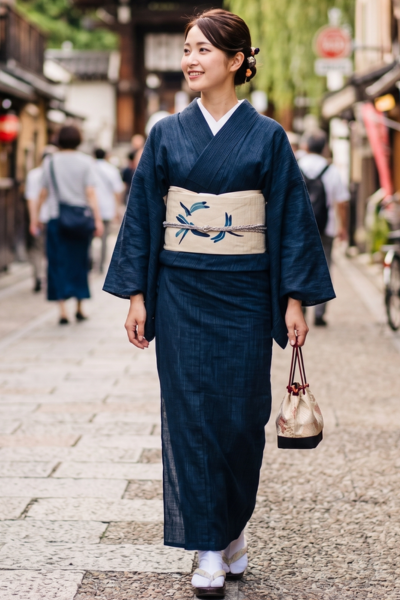
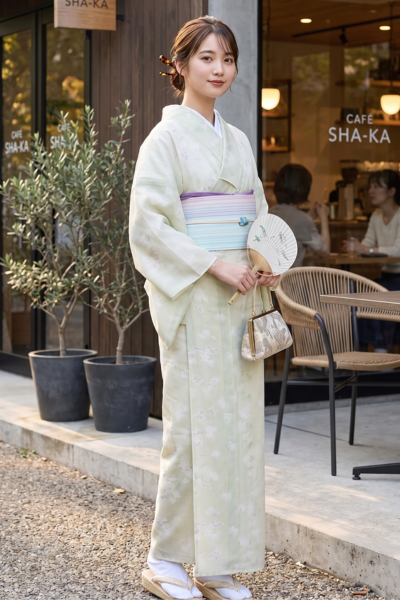
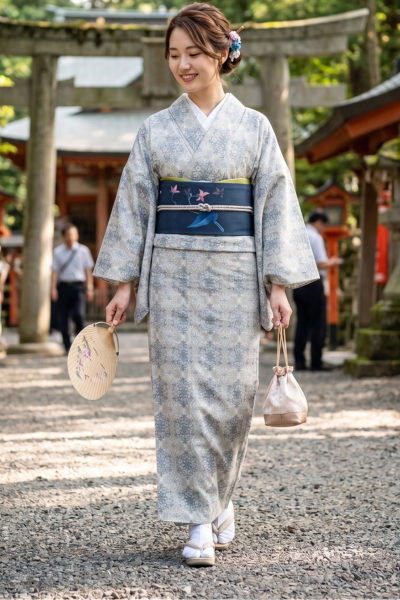
• Navy Linen Kimono
A navy linen kimono styled for a cool and effortless summer look. The dragonfly motif on the natural-colored linen obi adds a refreshing touch, making even the summer sunshine feel pleasant. Perfect for a stroll with friends or summer events, this outfit offers a light and breezy elegance.
Kimono: Linen Kimono
Obi: Linen Obi
Beige Sha Kimono
A soft beige sha kimono styled with a gentle elegance. Paired with a summer Nagoya obi featuring a beautiful pastel gradient, and finished with a subtle obidome accent. The sheer fabric catches the breeze, creating a light and refreshing summer look.
Kimono: Sha Kimono
Obi: Summer Nagoya Obi
Summer Tsumugi Kimono
A summer tsumugi kimono with a classic kasuri (ikat) pattern. Paired with a deep navy summer Nagoya obi, it brings out a refined yet relaxed elegance. The crisp, textured feel of tsumugi is comfortable against the skin—perfect for days when you want to dress up just a little and step out with confidence.
Kimono: Summer Tsumugi
Obi: Summer Nagoya Obi
How to Pair Obi: The Key is Matching Materials
When pairing an obi with usumono, the basic rule is to choose one made from summer materials.
If you match it with a heavy obi, the overall look can feel visually warm and out of place.
Here are some common types of obi to consider.
▶ For Formal Wear
| Type | Features | Main Uses |
|---|---|---|
| Ro Obi | A sheer, horizontal-patterned weave with a light and airy feel. Suitable for both formal and semi-formal styles. | Worn with homongi, tsukesage, and iromuji for summer occasions |
| Ra Obi | A high-end obi made with intricately woven threads. Very sheer and elegant in appearance. | Ideal for peak summer formal wear and special ceremonies |
| Natsu Fukuro Obi | A lightweight, sheer version of the formal fukuro obi. Used for more refined and formal settings. | Suitable for weddings, tea gatherings, and formal events |
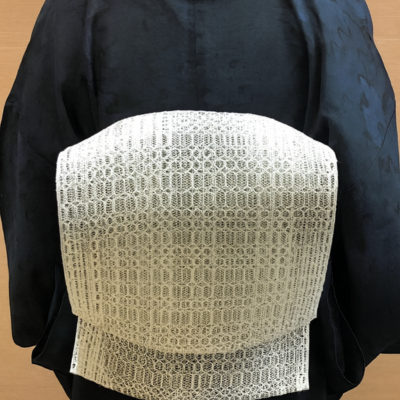
・White Ra Obi – Adding Cool Elegance to Summer
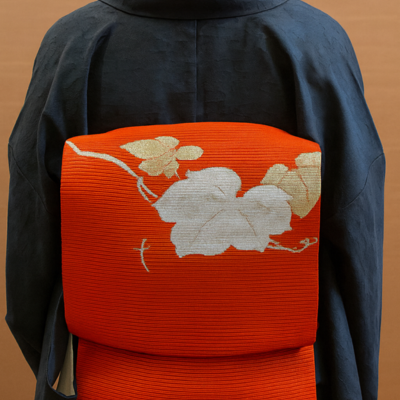
・Vermilion Ro Tsuzure Obi – Adding Autumn Color
▶ For Casual Wear
| Type of Obi | Features | Main Uses |
|---|---|---|
| Sha Obi (紗帯) | Strongly sheer and lightweight, made with karami-ori (leno weave). | Kimono made of small-patterned, fine-weave, or hemp fabrics |
| Summer Nagoya Obi (夏名古屋帯) | A summer version of the Nagoya obi, woven from ro or sha silk, or hemp. | Hitoe or usumono kimono for sophisticated wear |
| Hanhaba Obi (半幅帯) | Easy to tie and adjust; allows for a variety of creative knots. | Yukata or casual usumono kimono |
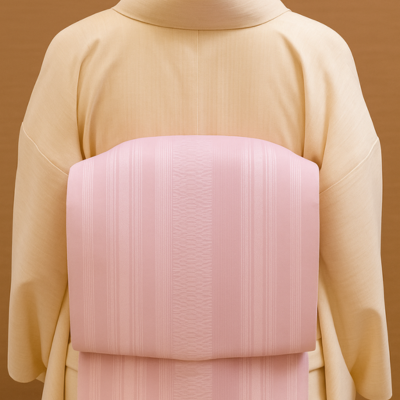
・ Cherry Blossom Pink Sha Nagoya Obi – Perfect for Midsummer Attire
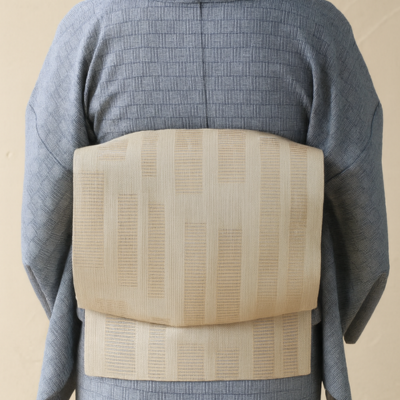
・Hemp Eight-Sun Nagoya Obi – Bringing Cool Elegance to Summer
Stay Cool in Summer: Smart Ways to Choose Accessories
In fact, the comfort of wearing a kimono can change greatly depending on the accessories you choose—especially the ones you don’t see.
Once you get this right, wearing kimono in summer becomes much more comfortable.
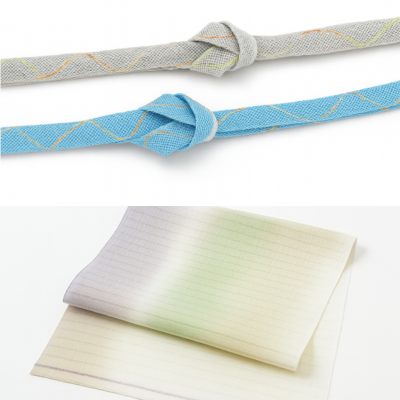
For obijime (cord) and obiage (scarf), choose summer styles such as openwork designs or materials like ro and sha.
Use light, soft colors to create a cool and airy feel, and add a subtle accent color to bring the whole look together.
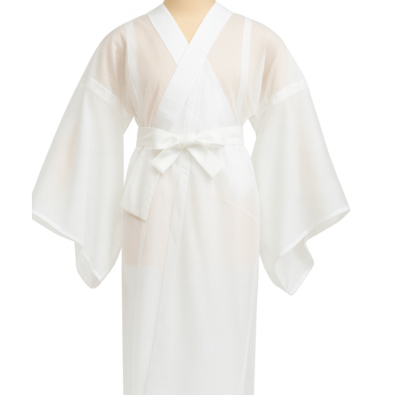
For the nagajuban (under-kimono), be sure to choose a summer type made of ro or linen.
It can make a surprising difference—you’ll feel much cooler the moment you put it on!
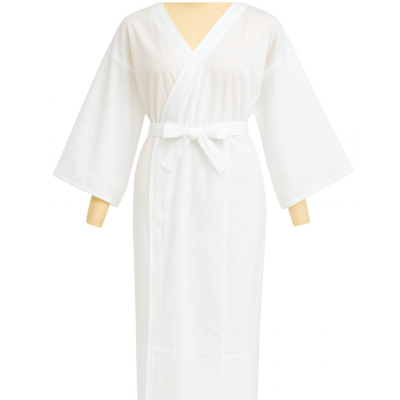
For undergarments, crepe fabric is ideal as it absorbs sweat and dries quickly.
Choose colors like white or beige, which are less likely to show through the kimono.
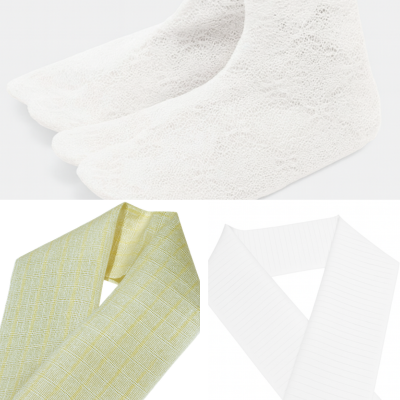
For the haneri (collar) and tabi (socks), choose breathable materials such as linen or lace.
A crisp white haneri brightens the face and adds a clean, refined touch.
Conclusion
Usumono is almost like magic—it transforms the Japanese summer from something to endure into something to truly enjoy.
- Know the types: Choose materials like ro, sha, or linen to suit the occasion.
- Match your obi: Use summer-appropriate obi to enhance the overall cool, airy look.
- Be mindful of accessories: Pay attention to unseen layers like undergarments and haneri to stay comfortable.
Once you understand these basics, summer kimono becomes much more free and enjoyable.
This summer, why not wrap yourself in your favorite usumono, feel the breeze, and fully enjoy your outings?